

Fox Urine for Rabbits and Garden Protection
Fox Urine for Rabbits and Garden Protection
Rabbits are methodical. They follow the same routes into your garden, feed at the same times, and return to burrows they've used for seasons.
Fox urine for rabbits works because foxes are stealth hunters that have specialized in catching these animals for thousands of years.
A rabbit's freeze-and-flee response to fox scent is deeper and faster than its response to generalist predators like coyotes. But applying it effectively means going beyond a basic perimeter spray.
This blog covers how to protect edible crops without contaminating them, how to evict rabbits from active burrows, where to intercept rabbits before they reach your garden, and what to do about juvenile rabbits and winter pressure.
Why Fox Urine Triggers a Stronger Response in Rabbits Than Other Predator Scents
Foxes are specialist rabbit hunters. Unlike coyotes, which pursue a wide range of prey, foxes evolved as dedicated small-mammal stalkers.
Rabbits have a correspondingly specific hardwired response to fox scent that goes beyond simple avoidance. It triggers a freeze-and-flee cascade, the same neurological chain that fires when a rabbit detects a fox physically nearby.
This matters when choosing a product. Coyote urine deters deer, raccoons, and groundhogs effectively, but fox scent is the species-specific biological signal rabbits are most sensitive to.
Using the right predator match for the right prey animal determines whether your application holds over time.
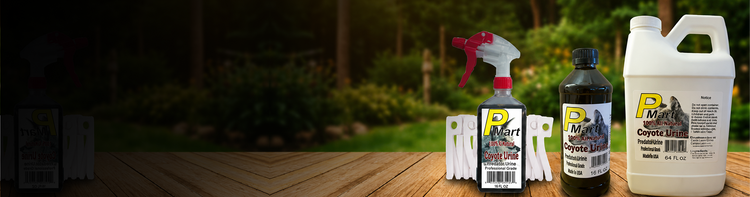
Shop our fox urine P-Wick combo for a ready-to-deploy setup that puts scent where rabbits approach.
How to Protect Edible Crops Without Getting Fox Urine on Your Food Plants

One of the most common mistakes gardeners make is applying fox urine for rabbits directly onto vegetable plants or the soil immediately around them. Fox urine should never contact edible parts of your crops, including leaves, fruits, or root vegetables you'll be harvesting.
The correct approach is building a scent perimeter set back from the planting zone:
● Place scent-loaded stakes, P-Wicks, or hanging diffusers 12 to 18 inches outside your vegetable bed boundary.
● For raised beds, treat the exterior surface and the ground perimeter rather than the bed interior.
● Use granules along the outer approach path while keeping treated ground clear of food crop root zones.
This keeps the scent barrier between the rabbit and your vegetables without introducing predator urine near what you will be eating.
Using the Scent Corridor Strategy to Stop Rabbits Before They See Your Garden
Most rabbit deterrent advice tells you to spray the garden border. The problem is that by the time a rabbit reaches your garden edge, it has already committed to the approach. A more effective tactic is intercepting rabbits at their travel corridors before they reach the garden.
Walk your lawn early in the morning and look for bunny runs, the faint flattened trails rabbits use to move between cover areas like brush piles, hedgerows, woodpiles, and your garden. Apply fox urine for rabbits where those trails cross from the lawn into the garden instead of on the garden bed itself.
This places the predator signal at the rabbit's decision point, where it is still assessing whether to proceed rather than at the destination.
Browse our fox urine page to choose the format that works best for corridor marking.
How to Use Fox Urine as an Eviction Tool for Active Rabbit Burrows
If rabbits have already established a burrow in your yard, a perimeter application alone will not move them. They are operating from a home base, which changes the approach.
To evict rabbits from an active burrow:
● Saturate a rag or old tennis ball with fox urine.
● Place it just inside the burrow entrance.
● The rabbit encounters the predator scent every time it enters or exits.
● Reapply every 48 to 72 hours until activity stops, then seal the entrance with loose soil or wire mesh.
This works because it disrupts the rabbit's sense of safety at its shelter, not just at the food source.
What to Know About Juvenile Rabbits and Winter Protection
Two situations catch most gardeners off guard: young rabbits in early summer and bark damage through winter.
Juvenile rabbits hatched in late spring create a different challenge than adults. Young rabbits have not yet built the learned association between fox scent and danger. Their neophobia response exists, but their species-specific fear of foxes has not fully calibrated.
If kit-sized rabbits are causing damage in June and July, pair your fox urine application with a bitter-tasting spray on vulnerable plants as a secondary deterrent.
Winter creates a different issue. Rabbits shift from feeding on low plants to gnawing bark on shrubs and young trees once vegetation disappears under snow.
Liquid fox urine loses potency faster in cold weather and can freeze in applicators. Switch to granules during winter and place them above the expected snowline on stakes or hanging dispensers around trees and shrubs you want to protect.
Final Thoughts
Fox urine for rabbits is one of the most species-specific biological deterrents available for garden protection, but effectiveness depends on placement.
Put the scent into rabbit travel corridors, keep it away from edible crops, use it as an eviction tool when burrows are active, and adjust your format for winter conditions.
We supply 100% genuine, undiluted fox urine sourced from licensed facilities in every format your property requires.
Stock up with our bulk fox urine and keep your garden, flowers, and vegetable beds protected through every season.
FAQs
1. Can I apply fox urine inside a raised bed to protect vegetables already growing there?
No. Keep fox urine outside the bed boundary and apply it 12 to 18 inches from the bed edge.
2. How do I know if the burrow in my yard is still active before I apply the eviction treatment?
Lightly block the entrance with loose soil or grass and check after 24 hours. Disturbance indicates activity.
3. Will fox urine for rabbits wash off into my vegetable garden soil if I apply it nearby during rain?
Applied at the recommended distance of 12 to 18 inches, runoff is not a meaningful concern.


