

Selecting a Chemical-Free Mole Deterrent for Lawns
Selecting a Chemical-Free Mole Deterrent for Lawns
Selecting an effective mole deterrent for lawns is essential for homeowners who want to maintain smooth turf and healthy soil without spreading toxic rodenticides across their property. Moles are relentless subterranean excavators that push through topsoil searching for earthworms, grubs, and soil insects. As they dig their intricate network of underground hunting corridors, they create unsightly raised ridges and dirt mounds that can turn a pristine lawn into an uneven hazard.
Over our decades of working in natural lawn care and wildlife deterrence, we have found that killing subterranean wildlife is rarely the best answer. Moles provide valuable aeration services for dense soil and consume destructive beetle larvae, making humane relocation strategies far superior to chemical poisons. By deploying proven botanical repellents and biological scent barriers that encourage pests to migrate away from your property, you can protect your grass while preserving the natural balance of your soil ecosystem.
Understanding Mole Activity and Subterranean Turf Damage
Moles spend almost their entire lives underground, meaning property owners rarely see the creatures responsible for the damage. They possess powerful paddle-shaped front paws equipped with broad claws specifically adapted for swimming through damp earth. A single adult mole can dig up to one hundred feet of feeding tunnels in a single day, causing rapid disruption across yard spaces.
Common indicators of active mole tunneling include:
● Raised ridges of turf that feel spongy when walked upon.
● Conical dirt mounds created from excavated soil around deeper living chambers.
● Patches of yellowing grass where root systems have been sheared from the soil.
● Exposed bulbs and disturbed roots in adjacent ornamental flowerbeds.
● Shared secondary tunnels being used by voles and mice to feast on vegetation.
When evaluating a mole deterrent for lawns, understanding subterranean biology allows you to target the sensory pathways that force moles to relocate naturally.

How Castor Oil Functions as a Natural Deterrent
Among all natural botanical repellents, castor oil stands out as the most widely supported chemical-free solution for repelling subterranean insectivores. Castor oil does not poison or physically harm moles, but instead works by altering the environment inside their feeding tunnels. When washed deep into the soil with irrigation or rain, the oil coats earthworms and grubs, imparting an unpleasant taste and causing mild digestive distress for foraging moles.
Castor oil acts as a primary mole deterrent for lawns by coating soil invertebrates and making subterranean feeding grounds completely unappealing. As their preferred food becomes inedible, moles are motivated to abandon their established runways and excavate new tunnels elsewhere. Applying castor oil in sequential sections across your yard methodically guides pests toward outer property lines and wild wooded borders.
Bobcat Granules for Lawn Edges and Shared Pest Runways
In many yards, mole tunnels quickly become high-traffic highways for surface-dwelling rodents such as voles, field mice, and chipmunks. These opportunistic herbivores move into abandoned mole corridors to consume plant roots and flower bulbs, creating a double layer of lawn damage. Deploying predator scents across the turf discourages secondary invaders from occupying underground tunnels and alerts foraging pests to active predator presence.
Granular predator scent formulations provide an outstanding method for treating wide lawn expanses and perimeter turf zones. Homeowners defending expansive grass areas can spread Bobcat P-cover scent granules across lawn edges and garden boundaries. Broadcasting predator granules across the property perimeter establishes a steady olfactory boundary that discourages burrowing pests from establishing dens near your foundation.
Liquid Bobcat Urine for Treating Active Mound Openings
While broadcast granules protect broad yard borders, concentrated liquid predator urine delivers an immediate punch directly around active mound openings and tunnel entryways. Wild felines are agile hunters that regularly catch digging pests when they surface to deposit soil.
Applying liquid predator scent directly into excavated mound openings signals that a feline predator is actively watching the tunnel network. Property managers looking for a direct liquid application can apply Bobcat urine around the outer perimeter of active mound clusters. Placing liquid scent along transition lines ensures that approaching pests encounter authentic predator markers before expanding their feeding network across your turf.
Targeted Slow Release Fox Gel for Garden Borders
Sheltered garden borders, raised beds, and stone landscape retaining walls require continuous scent management to keep small pests from digging along structural edges. Because liquid scents can wash away during automated lawn watering, slow-release gel packs offer steady vapor emission over several weeks.
For targeted placement near prized ornamental beds and foundation perimeters, placing P-Gel Fox along flowerbed borders provides persistent predator scent. The gel formulation emits a continuous stream of fox vapors that reinforces the message that the yard is patrolled by active hunters, keeping small digging animals from turning landscaped borders into nesting zones. Pairing biological scent deterrents with a mole deterrent for lawns program creates a comprehensive boundary that protects both turf and ornamental plantings.
Folk Remedies and Ineffective Methods to Avoid
When dealing with frustrating lawn ridges, homeowners often turn to traditional folklore remedies that provide zero real relief. Popular internet myths include placing chewing gum in tunnels, pouring bleach down holes, scattering used cat litter, or sticking broken glass into runways. These methods fail because moles simply seal off the disturbed section and dig a bypass tunnel nearby.
According to Penn State Extension, rodenticides such as zinc phosphide can pose significant risks to nontarget wildlife, including animals that consume poisoned rodents. Penn State recommends careful bait placement and protective measures to reduce these risks.
Toxic chemicals can leach into groundwater, while harsh household cleaners degrade delicate soil biology. Choosing natural botanical oils and biological scent barriers provides a safe, sustainable alternative that preserves beneficial soil life while encouraging pests to leave.
Lawn Care Practices That Support Long-Term Control
Sustainable yard management practices significantly reduce the appeal of your turf to subterranean wildlife. Simple adjustments to your lawn care routine make it far more difficult for tunneling pests to establish deep dens.
Effective turf maintenance strategies include:
● Aerating compacted soil mechanically to reduce the soil density differences that attract diggers.
● Managing lawn moisture levels by watering deeply and infrequently rather than keeping topsoil perpetually wet.
● Rolling down active surface ridges with a weighted lawn roller to press severed grass roots back into contact with the soil.
● Installing deep underground wire mesh barriers around small high-value vegetable gardens.
● Keeping grass mowed at an appropriate height to discourage sheltering rodents along lawn perimeters.
Frequently Asked Questions
What is the most effective natural repellent for moles in lawns?
The most effective and scientifically supported chemical-free repellents use concentrated castor oil. Castor oil coats soil organisms like grubs and earthworms, making subterranean food unpalatable and compelling moles to relocate to untreated areas.
Why is it better to deter moles rather than kill them?
Moles provide important environmental benefits by consuming pest grubs and naturally aerating compacted soil. Chemical poisons pose serious risks of secondary toxicity to domestic pets, birds of prey, and nearby wildlife.
Do ultrasonic ground spikes really work against moles?
Ultrasonic ground spikes provide inconsistent results in real-world yards. While the vibrations may temporarily disturb moles in loose sandy soil, the animals often adapt quickly or simply excavate new runways around the pulsating devices.
How often should natural lawn repellents be reapplied?
Granular and liquid botanical repellents should generally be reapplied every two to three weeks during the active spring and fall digging seasons, with additional applications following periods of heavy continuous rain.
Restoring Balance and Smooth Turf to Your Landscape
Choosing a reliable mole deterrent for lawns ensures that your grass remains smooth, healthy, and visually appealing without compromising the safety of children, pets, or local wildlife. By combining castor oil soil treatments with authentic predator scent barriers along your perimeter, you can guide tunneling pests away from your property humanely and permanently.
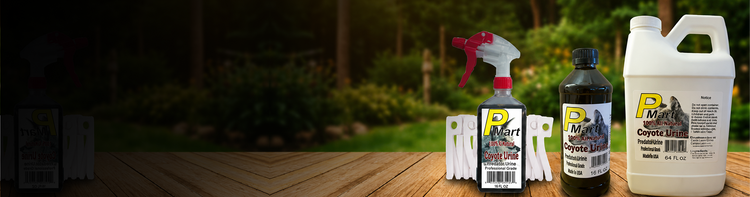
For homeowners seeking proven natural wildlife repellents formulated for maximum outdoor potency, The Pee Mart provides high-grade predator urine solutions in versatile granules, liquid bottles, and slow-release gel packs. Taking a natural approach today will protect your yard, defend your garden beds, and keep destructive pests off your property throughout every season.


