

Guarding Your Land with a Natural Wild Pig Deterrent
Guarding Your Land with a Natural Wild Pig Deterrent
Choosing an effective wild pig deterrent is one of the most critical challenges facing farmers, ranchers, and rural property owners dealing with destructive feral hog invasions. Feral swine cause billions of dollars in agricultural and environmental damage every year by uprooting pastures, destroying irrigation lines, consuming commercial crops, and eroding delicate waterways.
In our decades of field experience in natural wildlife management, we have learned that managing feral hogs requires understanding their intense survival instincts. Because wild swine possess a keen olfactory system and a natural wariness of apex carnivores, introducing biological scent markers can trigger deep instinctual avoidance behavior.
Understanding Feral Hog Behavior and Rooting Damage
Wild pigs are intelligent, adaptable omnivores that travel in social family groups known as sounders. They possess exceptional physical strength, dense skulls, and sharp tusks that allow them to plow through hard-packed earth searching for roots, tubers, grubs, and invertebrates.
Because pigs lack functional sweat glands, they are largely nocturnal during hot summer months and frequently travel between dense timber bedding areas and open agricultural feeding grounds under cover of darkness.
Common indicators that wild pigs have invaded your acreage include:
● Deep rooting trenches across pastures and turf where pigs have overturned soil.
● Wallowed mud banks and contaminated stock ponds that ruin clean livestock water.
● Flattened field crops and trampled corn stalks stripped clean before harvest.
● Chewed plastic irrigation lines and breached net wire perimeter fences.
● Oily mud rubs left on fence posts, tree trunks, and utility poles.
Recognizing these damage patterns early gives landowners the opportunity to establish a wild pig deterrent perimeter before invading sounders establish permanent bedding territories on the property.
Limitations of Basic DIY Kitchen Repellents
Landowners often attempt to manage wild hogs using everyday household spices and pungent kitchen mixtures. These home remedies typically focus on strong sensory irritants such as cayenne pepper dust, garlic puree, crushed peppermint, or ammonia-soaked rags placed along fence lines.
While spicy capsaicin and sulfur odors can irritate a pig's sensitive snout during a brief encounter, these substances have severe limitations in real-world outdoor settings. Pungent kitchen concoctions wash away after the first rainstorm and break down rapidly under direct sunlight.
Furthermore, when natural food supplies dwindle during summer droughts or winter freezes, hungry hogs quickly overcome mild olfactory discomfort to reach high-calorie crops. Selecting a dependable wild pig deterrent requires deploying authentic biological markers that communicate life-threatening danger rather than mere nasal annoyance.

Wolf Urine as an Apex Scent Barrier
In natural ecosystems, wolves are historical pack predators capable of hunting wild swine. Because feral pigs retain ancestral survival instincts, the scent of an apex canine triggers an immediate flight response. When wandering hogs encounter fresh wolf urine along a property line, their nervous system interprets the chemical signal as an active pack hunting territory, urging the sounder to steer clear.
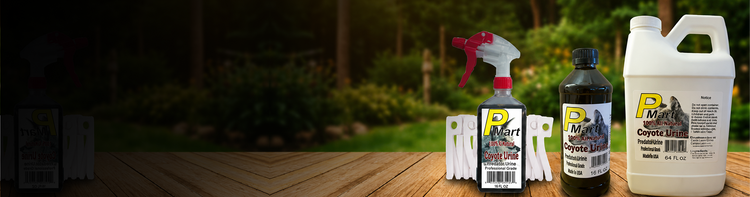
Liquid predator urine provides a highly versatile method for marking wooded property boundaries, dry creek crossings, and pasture fence lines. Landowners seeking a direct and potent application can place Wolf Urine along exterior fence posts and natural game trails leading onto the land.
Applying liquid predator scent at hog snout height ensures that incoming sounders catch the warning on shifting breezes before pushing through perimeter fencing.
Mountain Lion Scent for Feline Predator Pressure
Large wild felines represent another formidable natural predator that feral hogs actively avoid. Mountain lions are stealthy ambush hunters that prey on juvenile pigs and isolated adults in rugged terrain. Introducing cougar scent along your property boundary creates a psychological barrier that makes dense brush and timber edges feel hazardous for foraging swine.
Deploying mountain lion scent around wooded draws, livestock pastures, and crop perimeters signals that a solitary apex hunter is stalking the area. Property managers defending vulnerable agricultural fields can apply Mountain Lion Urine to boundary trees, fence posts, and outbuilding perimeters.
This intense feline scent marker disrupts the confidence of invading sounders, encouraging them to seek foraging grounds far away from your working land.
Slow Release Gel Packs for Boundary Defense
Certain high-risk property zones require continuous, long-lasting scent output without the need for constant liquid replenishment. Brushy game crossings, fence corner gaps, and shaded creek bottoms are prime transit corridors where wild hogs enter private acreage.
Slow-release scent gel packs are specifically designed to provide steady odor dispersal in sheltered outdoor locations. Landowners seeking durable, low-maintenance perimeter protection can install P Gel Mountain Lion inside weatherproof dispensers attached to perimeter fence posts, low tree branches, and gate openings.
The gel formulation emits a steady stream of predator vapors for weeks, ensuring that transition corridors remain consistently uninviting to roaming wildlife.
Structural Barriers and Physical Reinforcement
Deploying biological scent markers delivers the best results when combined with sturdy physical exclusion fencing. Wild pigs are powerful animals with low centers of gravity, meaning standard livestock fences are often insufficient to stop a determined sounder.
According to Texas A&M AgriLife Extension, a strong net-wire perimeter fence with the bottom secured to the ground can help deter feral hogs, while burying the wire can help prevent them from digging underneath.
Eliminating Food Incentives and Environmental Attractants
Even the strongest sensory repellents will struggle if your land continues to provide an effortless buffet of agricultural waste and standing water. Feral hogs are driven entirely by calorie intake and moisture, so removing attractants is critical to reinforcing your scent defenses.
Essential land management practices include:
● Cleaning up dropped fruit beneath orchard trees and harvesting grain crops promptly.
● Storing livestock feed and deer corn in secure metal feed bins inside enclosed barns.
● Fencing off muddy wallows and stagnant stock tanks that provide summer cooling spots.
● Clearing dense thickets of cedar and briars near fields to eliminate bedding cover.
● Using motion-activated lighting and propane sound cannons along high-pressure field edges.
Eliminating these primary food and shelter incentives ensures that invading sounders have no compelling reason to challenge your predator scent perimeter.
Strategic Scent Rotation to Prevent Habituation
Wild pigs are remarkably intelligent animals that can gradually become accustomed to static environmental cues if nothing ever changes. If a sounder encounters the exact same scent in the exact same spot for months without seeing an actual predator, hungry animals may eventually test the boundary.
Maintaining a dynamic wild pig deterrent routine prevents habituation and keeps swine guessing. We recommend alternating between wolf urine and mountain lion scent every three to four weeks, while adjusting the physical location of your dispensers along fence lines. This strategic variation mimics the natural movement of rival predators across a landscape, ensuring that your property remains consistently intimidating to feral hogs throughout every season.
Frequently Asked Questions
What scares wild pigs away from private land?
Wild pigs are frightened away by sudden loud noises such as propane cannons, bright flashing motion lights, and authentic predator scents like wolf or mountain lion urine that signal immediate physical danger.
What smells do wild pigs hate the most?
Wild pigs strongly dislike pungent sulfur odors, concentrated capsaicin from hot chili peppers, and genuine apex predator urine from wolves and cougars that trigger their survival fear response.
What is a wild pig's natural enemy in North America?
Large apex carnivores including wolves, mountain lions, and black bears prey on young pigs and vulnerable adults, while humans remain the primary predator managing wild swine populations.
How often should natural scent deterrents be refreshed outdoors?
Liquid and granular predator scent products should generally be refreshed every two to three weeks under standard outdoor conditions, with immediate reapplication recommended after heavy or prolonged rainstorms.
Reclaiming Your Land from Feral Hog Invasions
Protecting your acreage, pastures, and crops from invasive swine does not require hazardous poisons or complicated eradication measures. Implementing a multi-layered wild pig deterrent strategy that combines genuine apex predator urine, sturdy exclusion fencing, and diligent land sanitation creates an uninviting environment that feral hogs will consistently bypass.
For agricultural producers and property managers looking for authentic predator urine repellents formulated for maximum outdoor potency, The Pee Mart provides high-grade wolf and mountain lion scents in liquid bottles and slow-release gel packs. Taking proactive steps today will protect your soil, safeguard your livestock water, and keep destructive wild pigs off your land all year long.


