

Effective Outdoor Stray Cat Repellent Strategies
Effective Outdoor Stray Cat Repellent Strategies
Deploying a dependable stray cat repellent outdoor system is one of the most effective ways to prevent free-roaming felines from turning your garden beds and porches into private litter boxes. Stray and feral cats can cause frustrating property damage by digging up newly planted seedlings, spraying pungent territorial urine, and stalking songbirds near backyard feeders.
We have found that felines are creatures of strict habit. Because cats rely heavily on environmental cues to establish safety, finding the right stray cat repellent outdoor approach requires targeting their keen sense of smell and instinctual fear of larger predators. A layered defense strategy protects your landscape while ensuring that all methods remain safe and humane.
Why Roaming Cats Target Residential Landscapes
Cats are territorial predators that establish home ranges based on the availability of food, safe resting areas, and loose soil. Suburban yards offer an abundance of soft mulch, raised vegetable beds, and sheltered spaces beneath decks that cats find ideal for daily living.
Common indicators of unwanted feline activity on your property include:
● Digging into soft garden mulch and vegetable soil to bury waste.
● Spraying strong territorial secretions onto patio posts and foundation walls.
● Hunting native birds and beneficial wildlife around feeding stations.
● Sheltering under warm porches and shed crawl spaces during cold nights.
● Scratching tree bark and wooden outdoor structures to mark territory.
Understanding these behaviors helps property owners select the most appropriate stray cat repellent outdoor tactics for their specific landscape layout.

Plant-Based Aromas and Kitchen Remedies
Cats have an exceptionally delicate sense of smell, possessing around two hundred million scent receptors in their nasal passages. Because their olfactory system is so sensitive, strong fragrances can overwhelm their senses and discourage them from lingering in treated spots.
Many gardeners start their control efforts by using everyday household items. Scattering fresh lemon and orange peels across flowerbeds creates a sharp citrus fragrance that felines naturally avoid.
Diluted white vinegar sprayed along patio steps or coffee grounds mixed into garden soil can also provide mild, short-term deterrence. Furthermore, incorporating aromatic herbs such as lavender, rosemary, and rue into your landscape borders produces a pleasant aroma for humans while acting as natural humane outdoor cat deterrents.
While these kitchen and botanical solutions are helpful for spot treating small flower pots, they wash away quickly in rain and require frequent replenishment.
Wolf Scent Granules for Garden Beds and Borders
When everyday kitchen aromas fail to keep persistent felines away, biological predator scents offer a far more authoritative solution. In nature, wild felines avoid territories marked by larger apex predators such as wolves. When a roaming cat detects wolf scent in a garden, its survival instincts trigger an immediate danger alert, signaling that an aggressive predator is active nearby.
Granular predator urine formulas provide an ideal delivery method for wide ground application. For gardeners managing persistent digging across open planting beds, applying Wolf P-Cover Granules establishes an aromatic boundary that felines actively avoid. Spreading granules along the perimeter of raised garden beds, beneath ornamental shrubs, and around patio borders creates an invisible boundary line that keeps cats from entering sensitive planting areas.
Liquid Wolf Urine for High Traffic Entryways
While granules provide broad coverage across lawn surfaces, concentrated liquid predator urine delivers an immediate punch on vertical posts and structural thresholds. Free-roaming cats frequently enter yards along predictable paths such as fence lines, gate gaps, and retaining walls.
Applying liquid predator scent directly to these transition points marks the territory as an active hunting zone. Property owners looking for a direct liquid application can place Wolf Urine along fence pickets and stone boundary walls. Positioning liquid scent wicks at feline nose height ensures that incoming cats detect the warning scent immediately as they approach your property boundary.
Coyote Urine for Broad Perimeter Boundaries
In suburban and rural environments, coyote scent serves as another powerful biological deterrent for free-roaming felines. Coyotes are natural competitors and predators of outdoor cats, and felines are genetically programmed to steer clear of areas marked with coyote scent.
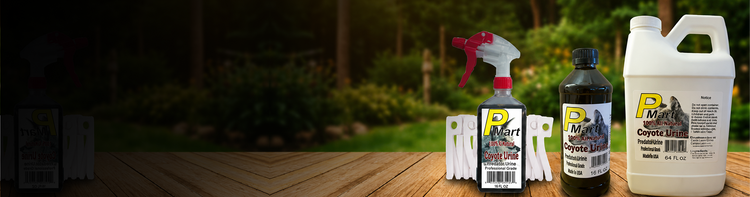
When searching for an effective cat deterrent for stray cats outside, property owners can use coyote urine to protect large property borders and wooded transition zones. Homeowners defending larger yard perimeters can utilize Coyote Urine to create an outer warning zone along property lines. Applying this potent scent near outer brush edges and along perimeter fences prevents roaming felines from treating your property as a safe corridor. Integrating a stray cat repellent outdoor routine into your garden care provides lasting peace of mind.
Physical Barriers and Motion-Activated Devices
Sensory repellents work best when paired with physical modifications that make a yard unappealing for digging and lounging. Cats prefer soft, dry soil for elimination, so changing the texture of your garden beds will immediately reduce their interest.
Effective physical and electronic deterrent tactics include:
● Laying chicken wire just below the soil surface with edges turned down to stop digging.
● Spreading rough pine cones, coarse river stones, or prickly decorative mulch over bare soil.
● Inserting upright wooden skewers or chopsticks into the dirt of potted plants.
● Installing motion-activated sprinklers that spray a sudden burst of water when movement is detected.
● Setting up solar-powered ultrasonic units that emit high-frequency noise when animals approach.
According to Alley Cat Allies, combining physical barriers with humane outdoor cat deterrents can help discourage stray and community cats from entering yards, gardens, and other areas where they are not wanted.
Eliminating Food Sources and Shelter Opportunities
Even the strongest stray cat repellent outdoor barrier can be undermined if your yard continues to offer easy food and warm shelter. Stray cats are resourceful scavengers, and removing the primary attractants on your property is essential for long term success.
Important sanitation steps include:
● Keeping outdoor garbage containers tightly secured with heavy lids or elastic cords.
● Feeding domestic pets strictly indoors and removing outdoor food bowls immediately.
● Cleaning outdoor barbecue grills and grease trays after every cooking session.
● Sealing off gaps beneath porches, decks, and garden sheds with heavy wire mesh.
● Checking sheltered crawl spaces before sealing to ensure no resting animals are trapped inside.
Taking these proactive measures removes the underlying incentives that draw roaming felines to your home, making your scent barriers significantly more persuasive.
Frequently Asked Questions
What is the best cat deterrent for stray cats outside?
The most effective approach combines motion-activated water sprinklers with biological predator scents like wolf or coyote urine and physical digging barriers in garden beds. This multi-sensory strategy addresses feline vision, hearing, touch, and smell simultaneously.
Can you legally stop stray cats from entering your yard?
Yes, property owners can legally deter stray cats from entering their land, provided they use humane, non-lethal methods that do not cause harm, injury, or distress to the animals.
What smells do stray cats hate the most?
Stray cats strongly dislike intense citrus fragrances like orange and lemon, sharp vinegar odors, pungent garlic, and the authentic scent of natural predators such as wolves and coyotes.
How often should natural outdoor cat repellents be reapplied?
Granular and liquid predator scent repellents should generally be refreshed every two to three weeks under normal conditions. Immediate reapplication is recommended following periods of heavy rainfall to ensure the scent boundary remains potent and effective.
Creating a Peaceful Cat-Free Garden Sanctuary
Establishing a reliable stray cat repellent outdoor perimeter allows you to reclaim your garden, patio, and lawn without resorting to harmful chemicals or aggressive tactics. By understanding feline biology and deploying authentic predator scents alongside physical barriers and thorough yard sanitation, you can permanently redirect wandering cats away from your home.
For property owners seeking genuine predator urine products formulated for maximum outdoor potency, The Pee Mart provides high-grade wolf and coyote scents in shaker granules and liquid bottles. Taking action today with natural wildlife repellents will keep your flowerbeds pristine, your birds protected, and your outdoor living spaces completely free of unwanted feline visitors.


