

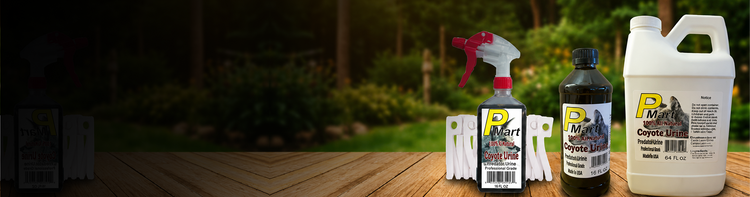
How to Apply Predator Urine in Gardens: Step-by-Step Guide
How to Apply Predator Urine in Gardens: Step-by-Step Guide
Learning how to apply predator urine in garden spaces is one of the most effective and humane methods for safeguarding prized flowers, tender seedlings, and vegetable crops from foraging wildlife. Wild animals like deer, rabbits, squirrels, and raccoons rely heavily on their sense of smell to judge whether a feeding zone is safe or dangerous. By introducing the scent of natural apex hunters around your property, you trigger an instinctual fear response that encourages pests to vacate the area.
Over our decades of working with wildlife management and natural deterrent strategies, we have found that proper application technique is what separates success from failure. Simply splashing liquid scent randomly onto plants will not yield reliable results and can even damage delicate foliage. Following a structured application method ensures that your scent markers remain potent, weather-resistant, and positioned to turn animals away before they ever set foot in your planting beds.

Choosing the Right Predator Scent for Specific Pests
Different garden invaders react to specific predator profiles based on their natural place in the food chain. Smaller herbivores such as rabbits, mice, and voles are naturally terrified of foxes and bobcats, while larger pests like deer, skunks, and raccoons pay closer attention to coyotes and wolves. Matching the correct predator scent to the exact pests visiting your yard is essential for establishing an authentic danger signal.
For properties struggling with rabbits and small rodents nibbling on low crops, establishing an elevated scent post works wonders. Gardeners can use the Fox Urine P wick combo to hang weather-protected wicks directly near garden entryways. This elevated delivery system ensures that air currents disperse the fox scent across the approach path, warning small foragers that a predator is actively patrolling the area.
Establishing a Protective Perimeter and Proper Spacing
A common mistake many property owners make when mastering how to apply predator urine in garden plots is spraying the product directly onto their edible vegetables. Predator urine should never be sprayed onto leafy greens or food crops. Instead, you should establish an outer perimeter boundary located one to three feet outside the garden edge to intercept animals before they reach the plants.
Key spacing and placement rules include:
● Apply scent markers along a continuous line one to three feet outside the garden border.
● Space liquid dispensers or treated cotton balls every ten to twelve feet along the boundary line.
● Position scent wicks at the approximate nose height of the target animal.
● Avoid placing scent stations directly in the path of automated lawn sprinklers.
● Concentrate additional markers near corner gaps, fence openings, and dense brush lines.
Following these placement guidelines creates a continuous scent barrier that incoming wildlife encounters well before reaching your prized crops.
Deploying Mountain Lion Urine for Larger Wildlife Threats
When dealing with persistent larger invaders such as wild pigs, armadillos, or heavy deer herds, a stronger territorial marker is often required. Mountain lions are solitary apex predators that dominate vast hunting territories, and their scent conveys a severe threat to large herbivores.
To defend perimeter fences and extensive property lines against bold foraging animals, applying Mountain Lion Urine along fence posts and boundary trees provides an intense territorial marker. Placing liquid scent stations along natural animal trails leading toward your property ensures that browsing deer detect the cougar presence early and alter their path.
Adding Skunk Scent for Secondary Territorial Protection
In certain outdoor environments, introducing a secondary pungent scent marker can provide an extra layer of deterrence that confuses and alarms cautious intruders. Animals have a natural wariness of skunk musk because an encounter with a defensive skunk results in overwhelming sensory irritation.
Property owners looking to reinforce specific problem zones around woodpiles, barn foundations, and compost areas can utilize Skunk Scent to make sheltered spots smell hazardous. Adding this sharp odor to boundary points creates an unpredictable sensory environment that keeps inquisitive nocturnal scavengers from investigating further.
Weatherproofing Scent Barriers and Maintenance Schedules
Understanding how to apply predator urine in garden perimeters effectively requires a consistent maintenance schedule. While high-quality urine formulations are potent, exposure to heavy rain, strong sunlight, and lawn irrigation will gradually diminish scent strength over time.
To maintain an active scent barrier throughout the growing season, follow these essential maintenance guidelines:
● Refresh liquid dispensers and granular markers every seven to ten days under normal outdoor conditions.
● Reapply scent stations immediately following heavy continuous rainfall or severe thunderstorms.
● Use vented plastic containers or dedicated scent wicks to shield liquid urine from direct rain.
● Keep all application spots clear of direct sprinkler spray zones.
● Inspect scent wicks monthly to ensure debris and dirt have not clogged the dispensing vents.
According to Oregon State University Extension, the effectiveness of natural repellents can vary by formulation, while rainfall and other environmental conditions can shorten their effective period and require reapplication.
Strategic Scent Rotation to Prevent Habituation
Knowing how to apply predator urine in garden layouts requires adapting to changing seasons and animal habits. Even the most authentic predator urine in gardens can lose its impact if pests encounter the exact same static odor week after week without any real predator appearing. Animals are intelligent foragers and may eventually test boundaries if hunger levels rise.
To keep wildlife on edge, we recommend rotating your scent types every 3-4 weeks. Switching between coyote, fox, and bobcat scent mimics the natural movement of competing carnivores across a landscape.
This regular variation ensures that pests never become comfortable in your yard. Incorporating predator urine in gardens alongside low mesh fences and motion lighting creates a comprehensive system that wildlife will consistently avoid.
Frequently Asked Questions
Does predator urine work to protect garden plants?
Yes, predator urine works by triggering an instinctual fear response in prey animals that detect the scent of natural hunters. When applied around perimeters and refreshed regularly, it effectively encourages wildlife to avoid treated garden areas.
What animals are deterred by coyote urine?
Coyote urine effectively deters medium-sized mammals and prey species, including deer, raccoons, skunks, groundhogs, and rabbits. These animals recognize coyotes as lethal predators and instinctively vacate marked zones.
Can predator urine be sprayed directly on edible vegetables?
No, predator urine should never be sprayed directly onto edible plants or vegetable leaves. It should always be applied as a perimeter barrier one to three feet outside the garden beds or placed inside vented dispensers.
How often should predator urine be reapplied in a garden?
Predator urine should generally be refreshed every seven to ten days under normal weather conditions. Immediate reapplication is recommended following heavy rainstorms to restore full scent potency around your property boundary.
Cultivating a Thriving Pest-Free Sanctuary
Mastering how to apply predator urine in garden borders provides gardeners with a reliable, chemical-free strategy for protecting valuable plantings from persistent wildlife. By selecting the appropriate predator scent, establishing an exterior perimeter, and maintaining a regular reapplication schedule, you can protect your landscape without harming local animals.
For property owners seeking authentic predator urine solutions formulated for maximum field potency, The Pee Mart offers pure coyote, fox, wolf, and bobcat scents in liquid, granule, and dispenser formats. Putting a natural scent defense in place today will keep your garden safe and thriving throughout the entire growing season.


