

Best Porcupine Repellent: Protect Trees, Cabins, and Vehicles
The best porcupine repellent is a layered plan that pairs bobcat urine around trees, cabins, and parking areas with metal flashing or hardware cloth on valuable trunks and removal of the salt and shelter that draw porcupines in.
Reapply scent after heavy rain and every week or two, especially in fall and winter.
Why Porcupines Target Your Property
Understanding what attracts porcupines is the first step in choosing the best porcupine repellent.
Salty Wood, Tools, and Vehicles
Salt is the top reason you might need the best porcupine repellent. Porcupines crave it. They chew anything with salt residue, including sweaty tool handles, wooden decks, road-salted vehicles, and plywood made with salty glues.
Winter Bark on Trees
In winter, the inner bark of trees is a main food source. Pines, hemlocks, maples, and fruit trees are frequent targets.
Dens Under Sheds and Decks
Porcupines den under sheds, decks, cabins, and rock piles. A quiet outbuilding makes an ideal home, especially in winter when they look for a dry place to rest between feeding trips.
Spotting Porcupine Damage to Trees
Look for large patches of bark stripped from trunks and branches, often high in the tree. Teeth marks are wide and grooved. You may also find chewed siding, gnawed porch steps, or damaged hoses and wiring.
Piles of small, curved, woody droppings are another sign, often heaped near den entrances, along with loose quills on the ground. Fresh damage shows pale, moist wood, while older wounds turn gray and dry.
Porcupine Deterrent Options Compared
|
Method |
How It Works |
Best For |
|
Predator scent |
Signals a natural predator nearby |
Trees, cabins, sheds |
|
Tree wraps and hardware cloth |
Blocks access to bark |
Young and valuable trees |
|
Fencing and electric options |
Keeps porcupines out of an area |
Gardens, orchards |
|
Attractant removal |
Takes away salt and shelter |
Every property |
Bobcat Urine as a Predator Scent
Bobcat urine is our top scent pick for porcupines. Bobcats are natural predators of rodents, and porcupines are large rodents that stay cautious around the smell. The same idea drives bobcat urine for rodent control around homes.
Tree Wraps and Hardware Cloth
Wrap trunks with a 2- to 3-foot band of metal flashing, or circle them with hardware cloth. Porcupines can't grip smooth metal, so they can't climb past it. Pair wraps with the best porcupine repellent scent for stronger protection.
Building a Porcupine-Proof Fence
Porcupines are good climbers, so regular fences don't stop them. A fence with an outward-angled top or a low electric wire about 6 inches off the ground works much better.
Using Predator Scent Against Porcupines
Predator scent is a natural, easy part of the best porcupine repellent plan. You can compare the full bobcat urine lineup.

Placing Dispensers and Wicks
Place scent dispensers or wicks around trees, cabins, sheds, and other areas porcupines visit. Dispensers hold the scent off the ground and help it last longer between refills. Space them every 10 to 15 feet, and focus on trails and den entrances.
Reapplying Through Fall and Winter
Reapply after heavy rain and every week or two. Refresh more often during fall and winter, when porcupines feed most heavily on bark. More tips appear in how to get rid of porcupines.
Removing Salt and Shelter
Even the best porcupine repellent works better when attractants are gone.
Storing Salty Tool Handles Indoors
Store shovels, axes, and other tools indoors. Sweat leaves salt on handles, and porcupines will chew them to pieces.
Sealing Plywood and Outbuildings
Seal crawl spaces and gaps under sheds and cabins with hardware cloth. Paint or seal exposed plywood, which can contain salty glues.
Stopping Porcupines From Chewing Tires and Siding
Porcupines chew tires, brake lines, and wiring, especially on vehicles exposed to road salt. Wash vehicles to remove salt, and park in a garage when you can.
At remote cabins, check under vehicles before driving, since a damaged brake line is a real safety risk. Place predator scent around parking areas, and skirt cabins and decks with hardware cloth to block den sites.
Safety and Humane Considerations
Never Handle a Porcupine
Never try to touch or catch a porcupine. Quills detach easily and can cause painful injuries. Keep pets away, and see a vet right away if your dog gets quilled.
When to Call Local Wildlife Control
If a porcupine is denning under a building or causing repeated damage, contact local wildlife control. Professionals can remove the animal safely and help you seal the area so another one doesn't move in. Rules on trapping and relocating vary by state.
Questions to Ask Before You Buy
Use this list when choosing the best porcupine repellent for your property:
● Does it use bobcat urine for predator scent?
● Do I have dispensers or wicks to place scent?
● Are valuable trees wrapped with metal or hardware cloth?
● Have I removed salt sources and sealed den sites?
● Do I have a plan to reapply after heavy rain?
● Do I know my local wildlife rules?
Keeping Bark, Boards, and Brake Lines Intact
The best porcupine repellent is a layered approach rather than a single fix. Use bobcat urine to create a scent barrier around trees, cabins, and parking areas. Wrap the trunks of valuable trees, seal openings under decks and sheds, and remove salt sources that draw porcupines in.
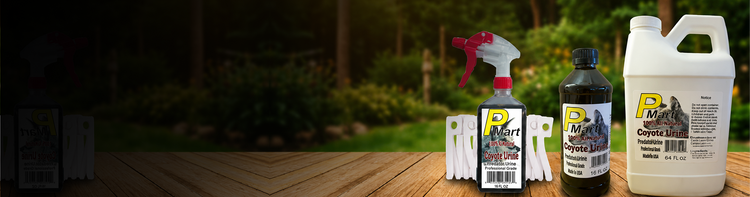
Check your barrier often and reapply after heavy rain. These steps help protect your property from costly chewing season after season. A bottle of 100% real bobcat urine makes an easy first layer.
Frequently Asked Questions
What Is the Best Porcupine Repellent?
A layered porcupine deterrent plan works best. Combine bobcat urine with tree wraps and hardware cloth, and remove salt and shelter.
What Scent Keeps Porcupines Away?
Predator scent, especially bobcat urine, is a natural porcupine repellent that makes them cautious. Reapply after heavy rain and every week or two.
How Do I Protect Trees From Porcupines?
To protect trees from porcupines, wrap trunks with metal flashing or hardware cloth, and use predator scent around the base.
Why Do Porcupines Chew on Cabins and Tires?
Porcupines chewing tires and cabins are looking for salt. Sweat, road salt, and some glues in plywood all attract porcupines.
Is It Safe to Remove a Porcupine Myself?
No. Quills can cause painful injuries. Contact local wildlife control for help with trapping or relocation.


