

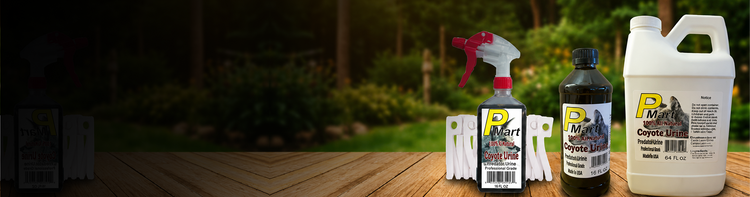
What Smells Do Coyotes Hate? Natural Ways to Keep Them Away
What Smells Do Coyotes Hate? Natural Ways to Keep Them Away
Understanding what smells coyotes hate is the single most effective starting point for homeowners and property managers who want to keep these cunning canines at a safe distance. Coyotes have expanded their territory into suburbs and rural neighborhoods across the continent, and their presence poses a constant risk to small pets, poultry, and garden spaces.
Over our decades of working with wildlife control and predator behavior, we have seen that coyotes are exceptionally sensitive to territorial markers and sharp olfactory deterrents. Rather than turning to dangerous poisons or complex traps, property owners can use the biology of the coyote against itself to secure yard boundaries effectively.
How Olfactory Sensitivity Governs Coyote Movement
Coyotes possess an olfactory system that is thousands of times more sensitive than that of a human. They use their acute sense of smell to locate rodents under snow, detect garbage from great distances, and identify whether an area belongs to a rival predator. When an overwhelming or threatening scent enters their nasal passages, it disrupts their focus and triggers a natural wariness.
Several common attractants bring coyotes onto private property in the first place:
● Unsecured trash cans containing food scraps and meat remnants.
● Outdoor pet food bowls left unattended on porches or in yards.
● Fallen tree fruit that attracts small rodents and provides an easy sugar source.
● Unprotected poultry runs, rabbit hutches, and small livestock pens.
● Dense brush piles and low tree branches that create ideal hunting cover.
By understanding these triggers, property owners can explore the specific smells that coyotes hate to reverse the appeal of their land.

Strong Household Scents That Deter Coyotes
Many people begin their deterrent efforts by looking into kitchen cabinets and utility rooms for quick solutions. A number of common household substances produce pungent fumes that make coyotes uncomfortable.
Ammonia creates a harsh vapor that irritates the mucous membranes of canines and mimics strong territorial chemistry. Placing ammonia-soaked rags in open containers near trash bins can provide temporary relief. White vinegar works in a similar fashion by masking food aromas and creating an acidic barrier that coyotes prefer not to inhale. Cayenne pepper and chili powder spread along garden beds can also irritate a sniffing nose without causing long-term physical harm.
While these household remedies are helpful short-term fixes, they evaporate rapidly and wash away during rainy weather. To achieve lasting success, property owners need to consider apex predator scents that speak directly to a coyote survival instinct.
Wolf Scent Granules for Property Perimeter Defense
When evaluating what smells coyotes hate most of all, wolf urine consistently ranks at the top of the list. Wolves are natural competitors and direct superiors to coyotes in the predator hierarchy. An area marked with wolf scent signals to a coyote that a lethal apex hunter has claimed the territory, creating an immediate fear response that no food reward easily overcomes.
Granular predator scents offer an exceptionally reliable method for establishing an invisible perimeter. Spreading granules along property lines, fence bottoms, and around pastures creates a steady scent line that coyotes encounter before stepping foot into the yard. For large acreage and extensive property boundaries, applying Wolf P cover scent granules provides broad and uniform coverage that withstands mild weather conditions far better than basic kitchen sprays.
Fast-Acting Liquid Wolf Spray for Direct Application
Liquid predator urine delivers an immediate and concentrated punch that works wonders on high-traffic entry points. Coyotes often use predictable trails, broken fence slats, and drainage ditches to enter residential yards. Spraying liquid urine directly on fence posts, tree bases, and outbuilding walls marks those specific zones with undeniable predator presence.
We have found that applying liquid scent at the nose height of a coyote makes a significant difference in how quickly the animal detects the warning. For targeted spot treatments and rapid reinforcement around poultry coops or garden gates, using Wolf urine trigger spray allows for clean, precise application directly onto vertical surfaces without any unnecessary waste.
Mountain Lion Gel Packs for Targeted Problem Zones
In regions where coyotes have grown particularly bold, introducing a secondary apex predator scent can keep them from becoming complacent. Mountain lions share hunting territory with coyotes and represent a formidable threat that coyotes actively avoid.
Slow-release gel packs are ideal for sheltered spots such as crawl spaces, barn rafters, wood sheds, and covered porches where liquid sprays might evaporate too quickly. By placing P Gel Mountain Lion near vulnerable entryways or sheltered structures, property owners create a continuous scent presence that lasts for weeks and keeps coyotes second-guessing the safety of the area.
Combining Scents with Habitat Modification
Relying exclusively on scent deterrents is rarely enough if a yard continues to offer abundant food and shelter. Exploring natural ways to keep coyotes away requires pairing scent barriers with deliberate environmental cleanup.
Key habitat modifications include:
● Storing pet food indoors and feeding domestic animals strictly during daylight inside.
● Raking up fallen apples, berries, and nuts from lawn areas weekly.
● Elevating bird feeders or cleaning up dropped seed that lures rodents.
● Trimming low-hanging shrubbery to eliminate ground-level hiding spots.
● Installing secure locking lids or bungee straps across all outdoor garbage bins.
According to research shared by Colorado Parks and Wildlife, removing accessible food sources and practicing consistent hazing are vital steps in restoring a coyote's natural fear of human dwellings. When attractants disappear, the smells that coyotes hate become significantly more persuasive.
Physical Barriers and Active Hazing Strategies
A complete defense strategy pairs sensory repellents with physical and auditory disruptions. Motion-activated lighting and high-pressure sprinkler devices surprise coyotes that approach under cover of darkness, reinforcing the message that the yard is monitored and dangerous.
Property owners can also install coyote rollers on top of 5-6 foot fences. These rolling metal bars prevent canines from gaining the paw grip necessary to pull themselves over. If a coyote is spotted during daylight hours, active hazing such as yelling loudly, banging metal pots, and opening an umbrella toward the animal helps reestablish boundaries and reinforces natural ways to keep coyotes away.
Knowing what smells coyotes hate gives property owners the upper hand, but combining that knowledge with strong physical barriers and consistent yard maintenance produces the most dependable protection.
Frequently Asked Questions
What do coyotes hate the most at night?
At night, coyotes hate sudden unpredictable disruptions such as flashing motion sensor lights, loud unexpected noises, and sharp predator scents. Because they rely on darkness and stealth to hunt, unexpected sensory shocks make them feel exposed and vulnerable to larger predators.
What will scare a coyote off immediately?
Making yourself look large by raising your arms, yelling loudly in a deep voice, waving sticks, or spraying water directly at the coyote will scare it away immediately. Consistent hazing prevents coyotes from becoming comfortable around people.
Can cayenne pepper stop coyotes from entering a yard?
Cayenne pepper can temporarily deter coyotes when sprinkled along property lines because the capsaicin severely irritates their sensitive nasal passages. However, it washes away quickly in rain and must be reapplied frequently to remain effective.
How often should scent deterrents be reapplied for coyotes?
Predator urine granules and sprays should be refreshed every two to three weeks under normal conditions. Following heavy rain or prolonged periods of hot sun, immediate reapplication is recommended to maintain a potent scent barrier that coyotes will respect.
Reclaiming Your Yard with Nature Scent Alarms
Finding the right answer to what smells coyotes hate allows property owners to defend their outdoor spaces without resorting to dangerous chemicals or expensive structural overhauls. By establishing a convincing apex predator scent perimeter, eliminating yard attractants, and adding motion-based disruptions, anyone can create an environment that coyotes instinctively avoid.
For homeowners and landowners seeking genuine predator urine products backed by decades of experience in humane wildlife control, The Pee Mart provides premium wolf and apex predator scents designed for maximum potency and long-lasting yard protection. Investing in a consistent scent routine today ensures your pets, gardens, and livestock remain safe all year long.


