

Choosing the Best Natural Raccoon Deterrent for Your Property
Choosing the Best Natural Raccoon Deterrent for Your Property
Choosing an effective natural raccoon deterrent is essential for homeowners who want to protect their gardens, attics, and trash cans from persistent wildlife without resorting to harmful chemical poisons or lethal traps. Raccoons are remarkably intelligent creatures with nimble front paws that allow them to unlatch containers, tear away weak roof shingles, and dig through garden beds.
Over our decades of working in humane wildlife management, we have found that raccoons respond best to a combination of sensory disruption and physical exclusion. Because raccoons rely heavily on their sharp sense of smell and instinctual fear of predators, creating an environment that feels dangerous and uninviting is the key to lasting success.
Why Raccoons Are Such Destructive Household Invaders
Raccoons are opportunistic omnivores that possess physical strength and dexterity far beyond what most property owners expect. They are largely nocturnal, meaning the bulk of their destructive foraging happens while homeowners are asleep. Their hand-like paws allow them to manipulate latches, pull apart weak wire screening, and climb rough vertical surfaces like downspouts with ease.
Common indicators of raccoon activity on your land include:
● Overturned garbage bins with food wrappers and organic waste strewn across the driveway.
● Torn soffits, bent roof vents, or displaced chimney caps leading into attic spaces.
● Dug-up patches in lawns where raccoons have rolled back turf searching for grubs.
● Hollowed-out vegetables or sweet corn stalks stripped clean in garden plots.
● Droppings accumulated in specific latrine areas near tree bases, flat roofs, or deck steps.
Recognizing these damage patterns early gives you the chance to deploy a reliable natural raccoon deterrent before the animals establish permanent nesting territory inside your home or outbuildings.
Common Household Natural Repellents and Their Limits
Many homeowners first explore DIY remedies using common kitchen spices and household staples to repel raccoons from sensitive areas. Because raccoons possess a heightened sense of smell, sharp and pungent odors can temporarily irritate their nasal passages.
Hot pepper sprays made by simmering cayenne pepper, habaneros, and water with a few drops of dish soap can be applied directly to garden plants and ornamental shrubs. The capsaicin creates a burning sensation on the animal's paws and muzzle when it attempts to forage. Peppermint essential oil diluted in water is another popular option for misting around outdoor patio furniture and porch railings.
While these plant-based natural repellents provide short-term relief, they have distinct limitations. Liquid sprays evaporate rapidly in direct sunlight and wash away completely during heavy rainstorms. Furthermore, essential oils like peppermint can be hazardous to household cats. To achieve long-lasting yard protection, property owners need more durable biological deterrents that target survival instinct.
Biological Predator Scent as a Reliable Perimeter Defense

When evaluating how to repel raccoons naturally, predator urine provides the most biologically potent solution available. In nature, raccoons are cautious prey for larger carnivores such as coyotes. When a raccoon smells the territorial scent of a coyote, its nervous system triggers an immediate danger alarm that encourages it to abandon the foraging site in search of safer territory.
Granular predator scent formulations offer an outstanding method for creating a protective boundary around garden beds, fence lines, and outdoor trash storage areas. Homeowners managing larger yards or extensive garden plots can spread Coyote P-cover scent granules along the outer perimeter to form a steady scent barrier that withstands variable outdoor weather conditions.
Spreading granules along likely approach pathways stops raccoons before they reach structural foundations or prized planting beds.
Direct Liquid Scent Application at Key Structural Points
While granular products provide excellent ground-level coverage across open grass, liquid predator scent delivers an immediate and concentrated punch on vertical surfaces and entryways. Raccoons frequently gain roof access by climbing deck posts, trellises, or adjacent tree trunks.
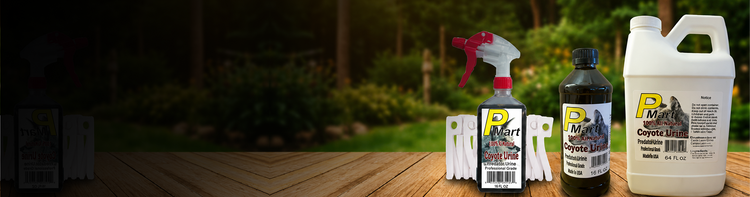
Applying liquid urine around structural transition zones marks the area as an active coyote hunting territory. Property managers looking for a direct liquid application can use Coyote urine applied to scent wicks, wooden fence posts, and near downspouts. Placing the scent at nose level ensures that climbing raccoons encounter the warning signal immediately as they attempt to scale the building.
Targeted Slow Release Gel Packs for Enclosed Areas
Enclosed spaces like attics, crawlspaces, shed rafters, and underneath raised decks require a specialized delivery format. Liquid sprays can soak into wooden beams, while granules can be difficult to place evenly across tight rafters or wall voids.
Slow-release gel packs solve this problem by emitting a consistent vapor of predator scent without creating a mess. Homeowners dealing with raccoons nesting in covered outdoor areas can place Coyote P-gel directly in problem corners, near attic vents, or under porch framing. The gel formula maintains steady scent output for weeks, ensuring the enclosed space feels consistently unsafe for an animal attempting to raise young.
Habitat Modifications That Eliminate Raccoon Incentives
Even the strongest natural raccoon deterrent will struggle to keep pests away if your property continues to provide an easy buffet. Raccoons are motivated by accessible calories, so removing attractants is a critical step in building a complete defense plan.
Essential yard modifications include:
● Fastening outdoor trash container lids with heavy-duty bungee cords or keeping bins in a locked garage until collection morning.
● Bringing pet food dishes and bird feeders indoors well before dusk every evening.
● Cleaning outdoor cooking grills and removing grease trays immediately after use.
● Harvesting ripe garden vegetables and collecting fallen tree fruit from the lawn daily.
● Installing heavy gauge hardware cloth over crawlspace openings and deck foundations.
As per the Michigan Department of Natural Resources, eliminating access to food and shelter is one of the most effective ways to control raccoon conflicts around homes and other properties.
Tactile and Physical Barriers for Extra Security
Raccoons have extremely sensitive, hairless paw pads that they rely on to touch, feel, and manipulate objects in the dark. You can exploit this physical trait by introducing textural barriers around your yard that raccoons find uncomfortable to walk on.
Surrounding prized garden beds with a perimeter of crumpled aluminum foil, prickly decorative mats, or coarse wire mesh creates a sensory deterrent that discourages crossing. Fitting chimneys with heavy-duty stainless steel caps and repairing loose roof shingles removes physical access points entirely. When you pair tactile barriers and home repairs with a dependable raccoon deterrent strategy, you create a property environment that raccoons will bypass entirely.
Frequently Asked Questions
How do you discourage raccoons from your property naturally?
The most effective way to discourage raccoons is by eliminating food sources like pet food and unsecured trash while simultaneously applying coyote predator scent around property perimeters and using motion-activated lights to disrupt nighttime foraging.
What surfaces will raccoons not walk on?
Raccoons dislike walking across crinkly or prickly textures such as sheets of aluminum foil, coarse wire mesh, or double-sided sticky tape because their paw pads are exceptionally sensitive to sharp or unfamiliar tactile sensations.
Does peppermint oil repel raccoons effectively?
Peppermint oil can provide temporary deterrence when applied to entry points or garbage lids because the concentrated menthol fumes irritate a raccoon's nose. However, it evaporates quickly outdoors and must be refreshed every few days to maintain potency.
How often should natural raccoon deterrents be reapplied?
Granular and liquid predator urine deterrents should generally be reapplied every two to three weeks under normal weather conditions. Immediate reapplication is recommended following periods of heavy continuous rainfall to ensure the scent boundary remains strong.
Reclaiming Your Property from Midnight Visitors
Protecting your home and landscape from wildlife damage does not require harsh toxins or aggressive trapping methods. By understanding animal behavior and building a complete natural raccoon deterrent system based on coyote predator scent, structural home repairs, and thorough yard sanitation, you can keep your property secure throughout every season.
For property owners seeking genuine predator scent products crafted for maximum field effectiveness, The Pee Mart provides premium coyote urine formulas in versatile granule, liquid, and gel formats. Establishing a dependable scent perimeter today will give you complete peace of mind and keep nocturnal scavengers safely off your land.


