

The Ultimate Natural Pest Control Guide for Homeowners
The Ultimate Natural Pest Control Guide for Homeowners
Your home is your sanctuary, but to local wildlife, it can feel like an open invitation.
If you’ve been dealing with repeated invasions, you already know that most quick fixes don’t last. This pest control guide is designed to help you take a smarter approach. The one that works with nature instead of fighting against it.
We believe the most effective way to protect your space is by using natural predator urine to trigger instinctive avoidance in pests, not temporary discomfort.
Why Working With Animal Instincts Gives You Better Results
Most traditional methods focus on blocking or eliminating pests. The problem is that animals adapt quickly. They find new entry points, ignore weak deterrents, and return as soon as the threat is gone.
When you understand predator-prey behavior, everything changes.
Animals rely heavily on scent to survive. A single trace of predator presence signals danger. This is not learned behavior. It’s an instinctive response built over generations.
With predator urine, you are:
● Sending a territorial warning.
● Triggering a natural fear response.
● Creating an environment that pests avoid without hesitation.
Instead of reacting to pests, you are controlling how they perceive your space.
Building a Scent-Based Perimeter That Pests Respect

A strong perimeter is the foundation of any effective pest control guide. But it’s not about randomly applying scent. You need to think like a territorial animal.
Start by identifying:
● Entry points (gaps, fences, under decks).
● Travel paths (along walls, tree lines, garden edges).
● Shelter zones (bushes, sheds, and crawlspaces).
When you apply scent strategically, you create a psychological barrier.
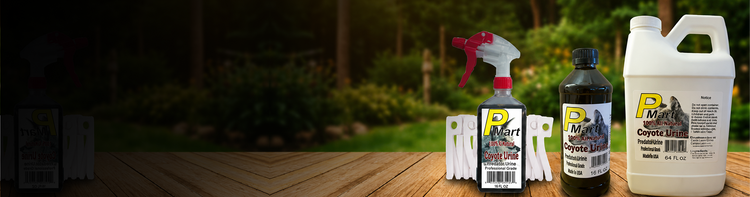
For example, applying coyote urine near entry points signals to animals that a dominant predator is active in the area. Most pests will turn away before stepping into your yard.
Practical Perimeter Tips
● Focus on edges, not the center of your yard.
● Reapply after heavy rain.
● Use scent holders or wicks for longer-lasting results.
● Cover all entry routes to avoid weak spots.
Matching the Right Predator Scent to the Right Pest Problem
One of the biggest mistakes homeowners make is using a single solution for every pest. Natural pest control works best when it’s targeted.
Different animals fear different predators.
Here’s a simple way to think about it:
|
Pest Type |
Best Predator Match |
Why It Works |
|
Rabbits, squirrels |
Bobcat |
Stealth predator they instinctively avoid |
|
Deer |
Coyote |
Strong territorial threat |
|
Rodents (rats, mice) |
Fox/Coyote |
Signals constant hunting presence |
|
Raccoons |
Larger predators |
Triggers caution and relocation |
If you’re dealing with smaller garden invaders, using bobcat urine creates a high-impact deterrent because these animals are naturally cautious of stealth hunters.
This level of targeting is what makes natural deterrents more effective than generic sprays.
Pest Control Guide to Manage Hidden Zones Where Pests Feel Safest
Outdoor spaces are only part of the problem. Some of the most frustrating infestations happen inside:
● Attics.
● Basements.
● Crawlspaces.
● Garages.
These areas provide warmth and protection, making them ideal nesting spots.
Instead of relying on traps or toxic chemicals, you can shift the environment itself.
Using a natural rat repellent approach inside enclosed spaces works differently:
● The scent becomes more concentrated.
● Rodents feel trapped with a predator.
● Their survival instinct forces them to leave.
Why This Works Better Indoors
● No mess from traps.
● No exposure to harmful chemicals.
● Continuous deterrence instead of one-time removal.
You’re not just removing pests. You’re preventing them from returning.
Comparing Natural Deterrents With Traditional Pest Control Methods
Choosing the right approach becomes easier when you understand how each method works.
|
Feature |
Predator Urine (Natural) |
Chemical Pesticides |
Traps & Barriers |
|
Mechanism |
Instinctive fear response |
Toxic or irritating |
Physical restriction |
|
Safety |
Non-toxic |
Potentially harmful |
Can cause injury |
|
Environmental Impact |
Biodegradable |
Can contaminate soil |
Minimal but inefficient |
|
Long-term Effectiveness |
High |
Moderate |
Low |
|
Adaptation by Pests |
Rare |
Common |
Very common |
Natural deterrents stand out because they change behavior, not just create obstacles.
Maintaining Your Scent Barrier Through Changing Seasons
A reliable pest control guide isn’t just about setup. It’s about consistency.
Weather plays a big role in scent effectiveness:
● Rain can dilute scent markers.
● Heat can cause faster evaporation.
● Cold seasons increase pest activity indoors.
Seasonal Maintenance Tips
Spring & Summer
● Reapply more frequently due to rain and heat.
● Use shaded areas to slow evaporation.
Fall
● Strengthen the perimeter before colder weather.
● Focus on entry points to your home.
Winter
● Target indoor spaces.
● Maintain scent near foundations and vents.
Using scent dispensers or containers can help extend effectiveness regardless of the season.
Avoiding Common Mistakes That Reduce Effectiveness
Even the best strategy can fail if applied incorrectly. Here are a few things to avoid:
● Applying scent only once and expecting long-term results.
● Ignoring entry points and focusing only on visible areas.
● Using the wrong predator scent for the pest.
● Overlooking indoor problem areas.
Consistency and proper placement make all the difference.
Conclusion
Protecting your home doesn’t have to involve harsh chemicals or constant frustration. This pest control guide shows you a more effective path that works with natural instincts.
At The Pee Mart, we provide pure predator urine that helps you create a powerful, invisible barrier around your property. You’re not just reacting to pests, but you’re preventing them from ever feeling comfortable in your space.
Be in charge of your yard, your home, and your peace of mind. Explore our range of predator urine solutions now and start building a natural defense that actually works.
FAQs About Pest Control Guide
1. How long does predator urine remain effective?
It depends on weather conditions. Typically, it lasts 1 to 2 weeks, but heavy rain or intense heat may require more frequent application.
2. Is predator urine safe to use around my vegetable garden?
Yes. Because our products are natural and free from synthetic chemicals, they are safe to use around the perimeter of your food crops.
3. Will pests get used to the smell over time?
No. Predator scent triggers an instinctive fear response, which animals do not easily ignore or adapt to.
4. Why should I choose urine over ultrasonic pest repellers?
Ultrasonic devices rely on sound waves that can be blocked by furniture, walls, and foliage. Also, many animals eventually become "habituated" to the noise, realizing it isn't a real threat.
5. Does this work for indoor pest problems?
Absolutely. In enclosed spaces, scent becomes more concentrated, making it even more effective at driving pests away.


