

What Smells Repel Possums from Your Yard and Garden?
What Smells Repel Possums from Your Yard and Garden?
Finding out what smells repel possums is one of the most effective and humane ways to safeguard your garden, deck, and trash cans from nocturnal visitors. Possums are opportunistic scavengers that wander into residential spaces in search of fallen fruit, pet food, and cozy nesting sites under porches. Once these quiet marsupials establish a regular foraging route across your lawn, breaking their habits requires targeting the sensory systems they rely on most.
We have observed that scent-based strategies provide an exceptional first line of defense. Possums possess an acute sense of smell that guides every step they take in the dark, which makes pungent odors and biological predator markers highly influential. Learning how to deploy these deterrents properly allows property owners to resolve wildlife conflicts without relying on harsh chemicals or dangerous traps.
Understanding Possum Scent Sensitivity and Yard Behavior
Possums are primarily nocturnal creatures that navigate through darkness by combining their sharp sense of hearing with a refined olfactory system. They use scent to track down ripe fruit, detect insects in the soil, identify safe nesting cavities, and avoid aggressive predators. When an intense, unfamiliar, or threatening odor enters their environment, it disrupts their ability to forage comfortably and signals that the area may be unsafe.
Common indicators that possums are active around your home include:
● Overturned compost bins and scattered garbage scraps around the driveway.
● Hollowed-out tomatoes, chewed melons, and missing berries in vegetable patches.
● Smooth brown droppings measuring one to two inches near sheltered walkways.
● Disturbed insulation or scratching sounds coming from crawl spaces and deck foundations.
● Tracks in soft soil showing distinct five-fingered prints with widespread toes.
Recognizing these signs early makes it far easier to evaluate what smells repel possums and establish an effective barrier before animals build permanent dens.
Kitchen Scents and Household Repellent Remedies

Exploring the top smells that repel possums often begins with items already stored in the kitchen pantry. Several household ingredients produce pungent aromas that possums find unpleasant, making them useful for minor spot treatments.
Garlic and onions contain concentrated sulfur compounds that irritate the sensitive nasal passages of foraging marsupials. Scattering crushed garlic cloves around flowerbeds or spraying a homemade garlic and water mixture onto ornamental leaves can discourage casual nibbling.
Hot pepper powders that contain capsaicin are another accessible remedy. Sprinkling cayenne pepper around the base of fruit trees creates a spicy sensation that marsupials dislike when grooming their paws or sniffing the ground.
White vinegar also provides short-term relief due to its sharp acidic vapor. Wiping down outdoor trash bin lids with vinegar or spraying diluted solutions along fence railings helps mask food odors. However, these kitchen remedies evaporate rapidly and wash away after rain showers, meaning they function best as temporary stopgaps rather than permanent solutions.
Coyote Urine Granules for Broad Perimeter Defense
When property owners research what smells repel possums, they often discover that genuine predator urine communicates an unmistakable biological warning. In the wild, coyotes are major natural predators of possums. When a foraging animal detects the territorial scent of a coyote, its nervous system triggers an immediate fear response that urges it to retreat.
This biological reaction makes predator scent one of the most reliable smells that repel possums available to property owners.
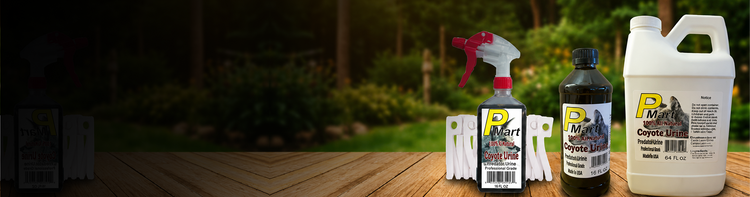
Granular predator scents are uniquely suited for creating invisible boundaries across open lawns and garden beds. For extensive ground coverage along fence lines, property borders, and around raised vegetable gardens, applying Coyote P Cover Granules creates an even scent barrier that holds up well against light outdoor moisture.
Spreading granules along common approach pathways forces possums to confront predator markers before they ever reach vulnerable plantings.
Direct Liquid Scent Application for Entry Points
Liquid predator urine delivers an immediate, potent scent mark that works exceptionally well on structural entryways and high-traffic trails. Possums frequently enter yards through broken fence pickets, low tree limbs, or gaps under gates. Applying liquid scent directly to these transition points creates a concentrated warning that approaching wildlife cannot miss.
To treat vertical posts, fence slats, and stone retaining walls cleanly, property owners can use Coyote trigger spray to apply real coyote scent precisely where climbing animals place their paws and noses.
We have found that spraying fence posts at animal nose height ensures that incoming marsupials receive a direct sensory signal that convinces them to search for safer ground. Using an effective possum deterrent at these critical thresholds prevents animals from gaining access to roofs and attics.
Targeted Gel Placement in Sheltered Enclosures
Sheltered locations such as crawl spaces, shed foundations, attics, and areas underneath outdoor decks require specialized delivery formats. Liquid sprays applied outdoors can disperse quickly in drafty openings, while granular formulas may not be practical to place across floor joists or rafters.
Slow-release gel packs solve this challenge by emitting a continuous stream of predator odor over several weeks. Homeowners seeking steady protection in enclosed structural voids can position Coyote P Gel inside shed corners, near foundation vents, or directly under porch steps. This continuous vapor makes enclosed nesting cavities smell hazardous, convincing animals to vacate or avoid establishing dens in the first place.
Habitat Modifications That Enhance Repellent Performance
Even the most potent possum deterrent strategy can fail if your property continues to provide an effortless food buffet. Possums are driven by calorie intake, and removing attractants is critical for reinforcing the message sent by scent repellents.
Essential yard sanitation measures include:
● Raking up fallen apples, berries, and stone fruit from beneath trees daily.
● Fastening outdoor trash container lids securely with bungee straps or storing cans indoors.
● Bringing all pet food and water dishes inside before the sun sets.
● Covering outdoor compost heaps with wire mesh to block scavenging.
● Trimming tree limbs that overhang rooflines or hang close to fence tops.
According to wildlife guidance from The Humane Society of the United States, eliminating easy food rewards and sealing structural gaps is the most effective long-term way to prevent wildlife from lingering near residential structures.
Strategic Scent Rotation for Long-Term Control
Understanding what smells repel possums over the full span of a growing season means accounting for animal habituation. While possums are not as persistent as larger predators, repeated exposure to an unchanging static scent in the same exact spot can eventually cause them to test boundaries if hunger is strong enough.
To maintain optimal effectiveness, we recommend alternating your scent delivery formats and refreshing boundaries on a consistent schedule. Shifting your granule barrier slightly outwards, replacing liquid scent on fence posts every two to three weeks, and rotating between garlic sprays and predator scents around garden edges keeps the environment feeling unpredictable. This continuous variation ensures that your yard remains uninviting throughout spring, summer, and fall.
Frequently Asked Questions
What smell do possums hate the most?
Possums hate the sharp smell of ammonia the most because its chemical profile closely mimics predator urine and signals an active danger zone. Real predator scents like coyote urine create a similarly intense fear response that encourages marsupials to vacate the territory quickly.
Do coffee grounds keep possums away from gardens?
There is no scientific evidence showing that coffee grounds effectively repel possums or opossums. While coffee grounds can add organic matter to garden soil, hungry marsupials will easily walk over or ignore them while searching for fallen fruit and vegetables.
What common foods are toxic to possums?
Foods such as chocolate, raw onions, garlic in large amounts, and macadamia nuts are toxic and hazardous to possums. Ingesting these items can cause severe digestive distress and internal complications for small wildlife.
How often should scent repellents be refreshed outdoors?
Granular and liquid predator scent products should be refreshed every two to three weeks under normal weather conditions. Immediate reapplication is recommended following periods of heavy or continuous rainstorms to ensure the scent barrier remains strong and effective.
Restoring Peace and Balance to Your Outdoor Space
Learning what smells repel possums gives homeowners a reliable and non-lethal blueprint for protecting gardens, fruit trees, and outbuildings. By pairing biological predator urine with kitchen spices, thorough yard sanitation, and physical exclusion, you can build a complete defense system that keeps wildlife at a safe distance without causing harm.
For property owners seeking authentic predator urine repellents crafted for maximum potency, The Pee Mart provides high-grade coyote urine in shaker granules, trigger sprays, and slow-release gel packs. Taking a proactive approach today will safeguard your landscape and ensure your yard remains clean, quiet, and animal-free throughout every season.


