

Coral Honeysuckle (Lonicera sempervirens): Care and Growing Guide
Coral honeysuckle (Lonicera sempervirens) is a native, non-invasive twining vine that grows 10 to 20 feet in USDA zones 4 to 9 and draws hummingbirds with red-orange tubular blooms from spring into summer.
Plant it in spring or early fall in full sun and well-drained soil, give it a trellis, and prune right after the main bloom.
What Is Coral Honeysuckle?
Lonicera sempervirens is a twining vine native to the eastern and southern United States. It's also called trumpet honeysuckle for its long, tube-shaped flowers. The vine typically grows 10 to 20 feet long and is semi-evergreen in warmer climates, keeping its blue-green leaves through mild winters.
Flowers are scarlet to coral outside and yellow inside. After blooming, small red berries form and feed birds in late summer and fall. Unlike many honeysuckles, it has little fragrance, but its color more than makes up for it.
Coral Honeysuckle vs. Japanese Honeysuckle
It's easy to confuse this native vine with Japanese honeysuckle, Lonicera japonica, but they're very different plants.
|
Trait |
Lonicera sempervirens |
Lonicera japonica |
|
Origin |
Native to the US |
Native to East Asia |
|
Flower color |
Red-orange, yellow inside |
White fading to yellow |
|
Fragrance |
Little to none |
Strong and sweet |
|
Growth |
Moderate, well-behaved |
Aggressive, smothers plants |
|
Status |
Non-invasive |
Invasive in many states |
Japanese honeysuckle spreads quickly and crowds out native plants. Our native vine gives you the same climbing habit without the risk.
Honeysuckle for Hummingbirds and Pollinators
The long, red, tubular flowers of this vine are a perfect match for hummingbirds' beaks. In many regions, its spring blooms are among the first nectar sources when ruby-throated hummingbirds return. Butterflies and bees also visit, and birds like robins and finches eat the berries. Planting it is a simple way to support pollinators in your yard.
Coral Honeysuckle Hardiness Zones, Sun, and Soil
This vine grows in USDA zones 4 to 9. It blooms best in full sun, with at least 6 hours a day, but tolerates partial shade with fewer flowers. It adapts to most soils as long as they drain well. A pH between 5.5 and 7.5 suits it fine. Once established, it handles short dry spells.
Planting and Training the Vine on a Trellis
Plant in spring or early fall. Dig a hole twice the root ball's width and plant at its original pot depth. Backfill, water deeply, and add mulch around the base, keeping it off the stems.
The vine twines, so it needs support. Place a trellis, arbor, or fence nearby, and gently guide young stems toward it. Tie them loosely with soft garden ties until they begin to wrap on their own. Young coral honeysuckle plants are ready to train on your favorite structure.

Watering, Feeding, and Pruning Through the Seasons
Water new plants weekly during their first season, then only during long dry spells. Feed lightly in spring with compost or a balanced, slow-release fertilizer. Too much nitrogen leads to leafy growth with fewer flowers.
Pruning coral honeysuckle works best right after the main bloom, since flowers form on old wood and new growth. Remove dead or tangled stems, and trim to keep the vine in bounds. Every few years, cut a few of the oldest stems near the base to renew growth.
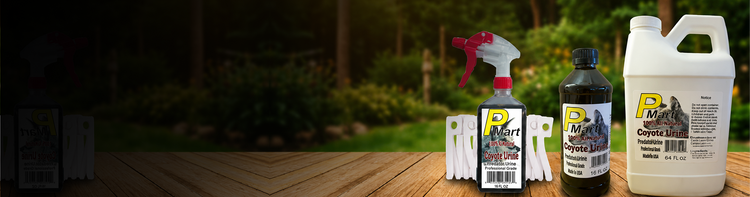
Deer and rabbits sometimes browse young vines. We recommend coyote urine for white-tailed deer and fox urine for rabbits, since each signals a natural predator. Here's how to build a deer repellent scent barrier. Reapply after heavy rain and every couple of weeks in the growing season.
Rabbits that keep returning may need more, as fox urine for rabbits explains.
Common Problems With This Native Vine
This native is generally tough, but a few issues can appear.
Aphids on Spring Shoots
Aphids cluster on new shoots and flower buds in spring. Dislodge them with a forceful water spray or apply insecticidal soap. Ladybugs often clean them up naturally.
Powdery Mildew in Humid Weather
White powder on leaves shows up in humid weather with poor airflow. Give the vine sun and space, prune for better airflow, and water at the base.
Why the Vine Blooms Sparsely
Too much shade, heavy pruning at the wrong time, or excess nitrogen can reduce flowering. Move it to a sunnier spot, prune just after bloom, and cut back on fertilizer.
Companion Plants for a Hummingbird Garden
Our favorite native vine pairs well with other native, pollinator-friendly plants. Try bee balm, cardinal flower, purple coneflower, and salvia nearby for a hummingbird garden.
Native clematis or American wisteria can share a large arbor, and low perennials like coreopsis fill in at the base.
Together, they create a layered planting that blooms from spring to frost and keeps hummingbirds visiting all season.
Welcoming Hummingbirds Back Every Spring
Coral honeysuckle is a beautiful native vine that brings hummingbirds, butterflies, and color to your garden without the problems of invasive honeysuckle.
Give it full sun or light shade, well-drained soil, and a sturdy trellis to climb. Water while it establishes, feed lightly, and prune after the spring bloom.
Protect young vines from deer and rabbits with the right predator scent, and it will reward you for years. For a well-behaved climber that feeds early-arriving hummingbirds, plant a native trumpet honeysuckle beside your fence or arbor.
Frequently Asked Questions
Is Coral Honeysuckle Invasive?
No. As a native honeysuckle vine of the eastern and southern United States, it's not invasive. Japanese honeysuckle is the invasive species.
Does This Native Vine Need Full Sun?
Full sun gives the most blooms and makes it the best honeysuckle for hummingbirds, though it tolerates partial shade with fewer flowers.
When Does Coral Honeysuckle Bloom?
Trumpet honeysuckle blooms heavily in spring and continues lightly through summer, with some reblooming in fall.
How Fast Does This Native Vine Grow?
Lonicera sempervirens grows at a moderate pace, often reaching 10 to 20 feet over several seasons with good support.
Is Trumpet Honeysuckle Deer Resistant?
It's moderately resistant, but deer may browse young growth. Use coyote urine to deter white-tailed deer and reapply after heavy rain.


