

Why Do Skunks Spray? Understanding Their Defense Tactics
Why Do Skunks Spray? Understanding Their Defense Tactics
If you have ever had a close encounter with a skunk, you already know how intense the experience can be. But to actually manage these situations, you need to understand why do skunks spray in the first place.
It is not random, and it is not their first reaction. Skunks rely on a highly calculated defense system that is designed to avoid danger while conserving their resources.
At The Pee Mart, we focus on the natural behaviors that drive animal decisions. When you understand what triggers a skunk to spray, you can prevent those situations entirely and keep your property stress-free.
Why Do Skunks Spray When They Feel Threatened

A skunk’s spray is its last line of defense. Producing that musk takes energy, and once used, it leaves the skunk vulnerable for days.
What triggers a spray response:
● Sudden movement or loud noise.
● Close encounters with pets or humans.
● Feeling cornered with no escape route.
● Protecting a den or young kits.
Before spraying, a skunk almost always gives you a warning. If you recognize these signals early, you can avoid the outcome entirely.
Reading the Warning Signs Before a Skunk Sprays
Skunks communicate clearly before they act. Learning these signals helps you prevent direct encounters.
Common warning behaviors:
● Stomping their front feet.
● Raising and puffing their tails.
● Turning their back toward you.
● Short bluff charges.
If you back away at this stage, the skunk usually retreats. If you ignore these signals, the situation escalates quickly.
This behavior explains a key part of why do skunks spray. It is not aggression. It is an escalation after warnings are ignored.
The Biological Cost Behind a Skunk’s Spray
One of the least-known aspects of skunk behavior is how expensive spraying is for them.
Important biological facts:
● Skunks take 10 to 14 days to fully replenish their spray.
● They can discharge multiple times, but with a limited supply.
● After spraying, they become more vulnerable to predators.
This is why skunks prefer to avoid confrontation altogether. If your property feels unsafe, they will leave rather than risk using their defense.
How Scent Perception Impacts Skunk Behavior on Your Property
Skunks depend greatly on scent to understand their surroundings. They are constantly assessing risk based on what they smell.
If your yard carries no predator signals, it feels safe. That is when skunks move in, forage, and potentially create encounters.
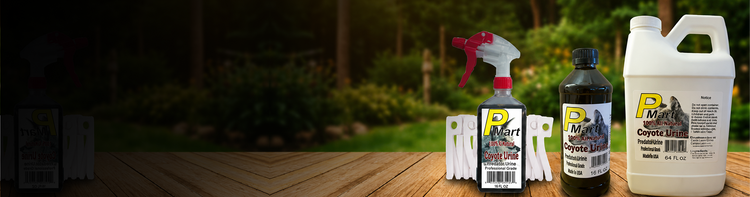
When you introduce predator scents like 100% real coyote urine, you change that perception instantly. A skunk interprets that scent as danger and will avoid the area rather than risk an encounter.
This is one of the most effective ways to reduce situations where you wonder why do skunks spray around your home.
How Do Skunks Aim and Deploy Their Spray
A skunk’s spray is not just a cloud of odor. It is a precise defensive tool.
Key characteristics of their spray:
● Can reach up to ten to fifteen feet.
● Delivered as a stream or fine mist.
● Causes intense irritation to the eyes and nose.
● Designed to disorient predators.
Skunks can aim with surprising accuracy. This makes close encounters risky, especially for pets.
Their goal is not to chase or attack. It is to stop the threat long enough to escape.
Preventing High-Risk Encounters in Common Skunk Zones
Certain areas on your property naturally attract skunks. These are also the places where spraying incidents are most likely.
High-risk zones:
● Under decks and porches.
● Near garbage or compost areas.
● Around woodpiles and sheds.
● Dark corners with little human activity.
To reduce encounters, you need to make these areas feel occupied by predators.
Applying predator scents like bobcat urine in these zones creates a strong territorial signal. Skunks instinctively avoid areas where larger predators are present.
The Role of Maternal Defense in Spraying Behavior
Spring and early summer bring a unique challenge. Female skunks raising kits are far more defensive.
What changes during this period:
● Lower tolerance for disturbance.
● Increased likelihood of spraying.
● Strong attachment to den sites.
If a skunk has chosen your property as a den, it will defend it aggressively. Preventing this starts early by marking potential den areas with predator scents.
Using deterrents like fox urine can discourage skunks from settling in before the season begins.
This proactive approach reduces the chances of dealing with repeated spray incidents.
Creating a Low-Stress Environment That Keeps Skunks Away
The key to long-term success is reducing stress triggers. A calm environment is less likely to cause defensive reactions.
Simple but effective steps:
● Avoid cornering or approaching skunks.
● Keep your yard clean and organized.
● Remove food sources like pet food or scraps.
● Use scent deterrents consistently.
When a skunk feels it can move freely without threat, it does not spray. When it senses danger, it reacts.
This understanding is crucial to managing skunk spray situations effectively.
Wrap-Up
When you understand why do skunks spray, you stop seeing it as random behavior and start recognizing it as a survival strategy. Skunks are not aggressive animals. They are cautious, calculated, and highly responsive to their environment.
At The Pee Mart, we believe the best way to prevent these encounters is by working with natural instincts. Predator urine creates a scent-based boundary that tells skunks your property is not safe for them. This keeps them moving without confrontation.
Want to avoid stressful encounters and protect your space? Build your scent perimeter, manage your environment, and use natural solutions that actually work.
Shop our predator urine collection now!
FAQs
1. Can a skunk spray more than once in a row?
Yes, skunks can spray several times, but their supply is limited and takes time to replenish.
2. Will predator urine make the skunk spray out of fear?
No. Most skunks will avoid the area instead of staying and spraying.
3. Why do skunks spray my dog so often?
Dogs tend to bark and approach quickly, which skunks interpret as a threat.
4. Does the spray smell go away on its own?
It fades over time, but it can take weeks without proper cleaning.
5. Are skunks more likely to spray at night?
Yes, since they are nocturnal, most encounters and sprays happen after dark.


