

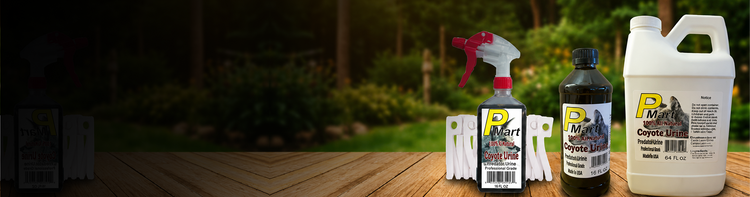
Learn What Wolf Urine Can Repel Around Your Property
Learn What Wolf Urine Can Repel Around Your Property
Are you tired of using every store-bought deterrent and getting no results? You need a solution that works on a deeper level.
Homeowners often ask, “What does wolf urine repel?”, and the answer lies in instinct, hierarchy, and fear. We approach wildlife control the same way nature does, through scent-based communication that animals understand instantly. When wolf urine marks your property, it doesn’t suggest danger. It declares dominance.
Why Wolf Scent Changes Animal Behavior So Quickly

Animals don’t reason their way through threats, but they react to them. Wolf urine carries pheromones that signal an apex predator actively controls the area. That message overrides hunger, curiosity, and habit.
Unlike artificial deterrents that animals test and eventually ignore, wolf scent triggers a neurological response. Your property stops feeling like neutral ground and starts feeling like occupied territory. That shift alone is enough to redirect wildlife elsewhere.
What Does Wolf Urine Repel Other Than Deer
Most people associate wolf scent with deer control, but its reach extends much further. To fully understand what wolf urine actually repels, you need to look at the food chain. Wolves sit at the top, and everything below them watches out.
Wolf urine is known to deter:
● Deer and elk that cause extensive garden and crop damage.
● Coyotes that threaten pets and livestock.
● Foxes and raccoons that compete for food sources.
● Feral dogs and other territorial canines.
When these animals detect wolf pheromones, they don’t immediately avoid that area. The risk simply isn’t worth it.
Establish a Scent-Based Territory Instead of a Physical Fence
Fences create challenges. Scent creates consequences.
Properly distributing wolf urine across your property sets up a “landscape of fear” that deters intruding animals. Animals entering that zone behave differently. They stay alert, shorten visits, and eventually stop returning.
This is especially effective for animals that have already learned how to bypass physical barriers. A scent boundary doesn’t give them anything to solve. It gives them a reason to leave.
Target Species and Strategic Placement
Different animals respond best when scent is placed where they naturally travel. Here’s a practical breakdown to help you plan:
|
Target Animal |
Primary Risk |
Why Wolf Scent Works |
Best Placement |
|
Deer/Elk |
Crop and landscape damage |
Wolves are their primary predator |
Property perimeter and trails |
|
Coyotes |
Livestock and pet threats |
Wolves eliminate competition |
Near barns, coops, woodlines |
|
Raccoons/Foxes |
Trash and denning issues |
Apex predator threat |
Fence lines and den entrances |
|
Feral dogs |
Territorial conflict |
Canine hierarchy dominance |
Entry points and boundaries |
This approach answers what does wolf urine repel in real-world terms, by species, behavior, and placement.
Manage the "Scent Cone" for Full Coverage
When you begin your application, you shouldn't just think about where the animal is standing. You need to think about where the wind is going. When people ask what does wolf urine repel, they often forget that the "repellent" is actually the air itself, once it carries the pheromones. We call this the "Scent Cone."
If the prevailing wind blows from the north, and you only place your scent markers on the south side of your garden, the intruders will have already reached your plants before they catch a scent of the "wolf."
We recommend placing your scent dispensers on the windward side of your property. This allows the breeze to naturally distribute the alpha signal across your entire yard, creating an invisible shield that warns any intruder as soon as they enter.
Why Wolf Urine Outranks Other Predator Scents
There’s a fear hierarchy in the wild. Smaller prey may cautiously tolerate fox or coyote urine scent, but wolf scent shuts that curiosity down completely. Even competing predators recognize it as a signal to stay away.
Using wolf scent as a bear repellent in high-risk zones adds another layer of authority, especially in rural or wooded environments where large mammals roam.
Maintain the Illusion of an Active Predator
A wolf pack doesn’t mark territory once and disappear. Consistency is what makes the scent believable.
To keep deterrents effective:
● Refresh applications every 10 to 14 days.
● Reapply after heavy rain or snow.
● Adjust placement seasonally as animal patterns shift.
A fresh scent equals an active threat. This maintenance is what turns wolf urine from a temporary deterrent into a long-term management strategy.
To Conclude
If you have been thinking about what does wolf urine repel, the real answer is intrusion itself. By applying the scent of an apex predator, you tell deer, coyotes, and other unwanted visitors that your property is already claimed.
We believe the most effective solutions work with nature’s rules, not against them. Explore our authentic predator urine scent options and start building a natural boundary that wildlife won’t challenge.
What Does Wolf Urine Repel FAQs
1. How fast does wolf urine start working?
Many homeowners notice reduced activity within days when they place the scent correctly.
2. Is wolf urine safe if I use it around my pets?
Yes. When you use it as instructed, you get a non-toxic and safe solution for domestic animals.
3. Will wolf urine deter smaller predators like raccoons and foxes?
Yes. Wolves are apex predators, so smaller carnivores instinctively recognize the scent and tend to steer clear to avoid conflict.
4. Do I need to use large amounts to see results?
Not necessarily. Strategic placement along entry points, trails, and perimeters is far more effective than simply using a large volume.
5. How much area can one application cover?
Coverage depends on wind, terrain, and placement, but perimeter applications typically protect large zones efficiently.


