

10 Proactive Pest Prevention Tips for Your Backyard
10 Proactive Pest Prevention Tips for Your Backyard
You’ve probably put time and effort into turning your backyard into a space you actually enjoy. But pests don’t see it that way. They see shelter, food, and opportunity.
The difference between constant frustration and long-term control comes down to how early you act. These pest prevention tips are designed to help you stay ahead of the problem by working with natural behavior, not reacting after damage is done.
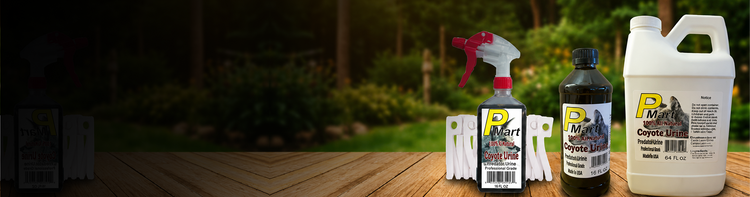
The Pee Mart focuses on using biological signals, especially predator scent, to make your yard feel like occupied territory before pests even consider moving in.
Thinking Like an Apex Predator Instead of a Homeowner
Most homeowners approach pest control defensively. You seal, block, or remove after something happens. A more effective approach is to think like a territorial predator.
Animals constantly assess risk. If your backyard feels neutral, they explore it. If it feels unsafe, they skip it entirely.
This shift in mindset is subtle but powerful. You’re not just maintaining your yard, but you’re shaping how wildlife interprets it. That’s where proactive strategies outperform reactive ones every time.
Using Pest Prevention Tips to Disrupt Nesting Before It Begins
The most frequently ignored strategy is timing. By the time you notice activity, pests have often already settled in. Preventing nesting is far easier than removing it.
Early intervention works because animals rely on memory. If a location feels unsafe during scouting, it won’t be chosen later.
Applying predator scent, like fox urine, around potential nesting zones, such as under decks, near sheds, or along fence lines, creates that early signal. It tells animals the area is already claimed, even if it looks physically accessible.
To stay ahead:
● Identify quiet, sheltered areas before pests do.
● Apply scent before seasonal nesting periods.
● Refresh consistently to maintain that signal.
This approach prevents problems instead of managing them later.
Eliminating Comfort Zones That Quietly Attract Pests

Pests don’t just look for food. They look for comfort. Areas that provide warmth, cover, or protection naturally draw them in.
These “comfort zones” include:
● Wood piles.
● Dense shrubs.
● Unused corners of the yard.
● Areas near foundations.
Instead of removing everything, you can make these spaces feel unsafe. When scent is introduced into these zones, the same shelter becomes a risk.
This is one of the most practical pest prevention tips because it works with what you already have. You’re not redesigning your yard. You’re changing how it’s perceived.
Breaking Invisible Insect Communication Lines
While larger animals are easier to notice, insects act as the first wave of a bigger issue. Many species rely on pheromone trails to guide others to food sources.
If you disrupt those trails early, you stop the problem from scaling.
Using a natural insect repellent in targeted areas helps break that communication loop. Once the trail is interrupted, the colony loses direction, and the cycle weakens before it grows.
Focus on:
● Entry points near your home.
● Edges of patios and decks.
● Areas where moisture builds up.
This keeps small problems from turning into larger infestations.
Understanding Scent Movement Across Your Backyard
Scent changes all the time. It moves with the air, settles in certain areas, and fades faster in others. If you ignore this, even strong deterrents can feel inconsistent.
Think of your yard as a flow system. Wind, sunlight, and terrain all influence how scent behaves.
Here’s how to adjust:
|
Condition |
Effect on Scent |
Smart Adjustment |
|
Open windy areas |
Scent disperses quickly |
Use more frequent applications |
|
Shaded spaces |
The scent lasts longer |
Maintain moderate coverage |
|
Wet ground |
Helps scent linger |
Apply near soil or mulch |
|
Dry surfaces |
Reduces scent hold |
Reapply more often |
When you understand this movement, your barrier becomes consistent instead of patchy.
Creating Vertical Deterrence That Most Homeowners Ignore
Pest prevention isn’t just about ground level. Many animals use height to their advantage. Tree branches, fences, and structures can act as entry points.
If you only focus on the ground, you leave gaps.
Applying scent to tree bases or near climbing paths adds a vertical layer of protection. When an animal begins to climb and detects predator presence, it abandons the attempt.
You can strengthen this by:
● Trimming branches away from structures.
● Applying scent near climb starting points.
● Monitoring elevated access routes.
This adds depth to your defense without making it complicated.
Managing Seasonal Shifts In Pest Behavior
Pest activity changes throughout the year. What works in one season may need adjustment in another.
During warmer months, pests are more active and exploratory. In colder months, they become more desperate for shelter and food.
This means your strategy should evolve:
● Increase scent intensity during colder seasons.
● Focus more on shelter zones in fall and winter.
● Maintain perimeter consistency during spring and summer.
Adapting to these shifts ensures your pest prevention tips remain effective year-round.
Preventing Repeat Visits Through Behavioral Conditioning
The goal of proactive prevention is not just to stop one visit. It’s to stop future ones.
Animals learn quickly. If your yard consistently signals danger, they remember it.
Over time:
● They stop checking your property.
● Their routes change.
● New pests are less likely to explore.
Conclusion
A pest-free backyard isn’t about constant maintenance or harsh solutions. It’s about understanding how animals think and using that knowledge to your advantage. These pest prevention tips help you stay ahead by making your yard feel occupied, protected, and off-limits.
At The Pee Mart, we provide pure predator urine and natural solutions that allow you to create that boundary without chemicals or complicated systems. You’re not just solving a problem. You’re preventing it from ever starting.
Check out our natural deterrent solutions and build a space where pests don’t feel welcome.
Pest Prevention Tips FAQs
1. When should I start using pest prevention methods?
The earlier, the better. Starting before peak activity seasons helps prevent pests from settling in the first place.
2. Are natural deterrents effective long-term?
Yes. Because they work with instinct, not irritation, animals are less likely to adapt or ignore them over time.
3. Will predator urine attract other animals?
In most cases, it does the opposite. It signals that the territory is already occupied, which discourages entry.
4. Are these methods safe for my kids to play around?
Yes. Since our predator urine is a natural, non-toxic product, it doesn't pose the same risks as synthetic chemical pesticides.
5. How long does it take for the animals to "learn" to stay away?
You will often see an immediate flight response, but "behavioral conditioning" usually takes about 7 to 14 days of consistent scent presence.


