

Javelina Deterrent: Protect Your Yard Effectively
Javelina Deterrent: Protect Your Yard Effectively
If javelinas keep visiting your yard, they can damage plants, dig up soil, and ruin landscaping. A reliable javelina deterrent can help you protect your outdoor space without harming the animals. Using natural, humane methods ensures your yard stays safe by creating an environment that javelinas avoid naturally.
In this guide, you will learn how to choose predator urine, plant strategies, and physical barriers that work together to protect your yard efficiently and ethically.
What Predator Urine Options Can Deter Javelinas
Predator urine products trigger the natural, instinctual fear among javelinas that they have of their primary predators. Mountain lion urine is the most effective option to deter javelinas. However, coyote urine might also be of a little help, but most homeowners usually go for mountain lion urine.
Mountain Lion Urine
Mountain lions are natural predators of javelinas. Their scent triggers an instinctive flight response. Using mountain lion urine around your yard can discourage javelinas from entering. We at The Pee Mart offer high-quality mountain lion urine products that can help you deter javelinas and other problematic critters.

Coyote Urine
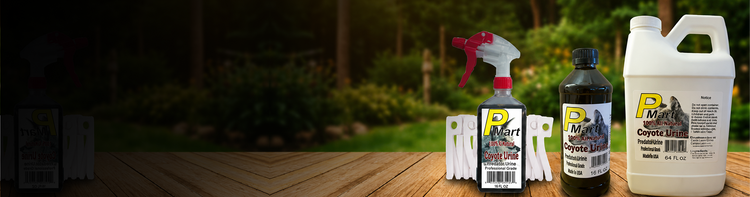
Coyote urine can also act as a javelina deterrent, but it’s usually less effective than mountain lion urine. You can use it near compost bins or other areas javelinas frequent. Combining predator urine increases your chances of keeping javelinas away safely.

Some Plants That Javelinas Usually Avoid
Thorny or Spiky Plants
Agave, prickly pear cactus, yucca, barberry, and ocotillo act as natural barriers. Their sharp leaves or spiny stems discourage javelinas from entering sensitive areas. Holly bushes also create dense, thorny borders that block easy access. Plant these along fence lines or around garden beds for effective protection.
Strong-Scented Herbs
Rosemary, lavender, sage, mint, thyme, and oregano produce strong aromas that javelinas dislike. You can plant them near patios, pathways, or garden edges to create scent barriers. These herbs will protect your plants, along with adding beauty and fragrance to your yard. So it’s a win-win situation.
Native Desert Plants
Using native desert plants helps because they are adapted to local wildlife. You can include them in your yard so that you can stay relaxed, knowing that your yard receives added protection.
Dense Shrubs
Shrubs with thick branches and foliage might be helpful to block easy access. Don’t worry, these shrubs will blend in well with your yard and won’t ruin its overall look.
Groundcover Plants
Low-growing, tough plants like lantana or juniper reduce bare soil exposure. Javelinas avoid areas where walking or digging is uncomfortable.
A Few Physical Barriers That Can Help
Physical barriers are an effective javelina deterrent for protecting your yard. Simple measures like sturdy fencing, motion-activated lights, and noise-making devices can prevent javelinas from entering. You can combine multiple barriers to keep your plants, garden, and outdoor spaces safe.

Strong Fencing
Install a six-foot metal mesh or wire fence with posts set deep into the ground. Bury mesh at least 12 inches below the soil to prevent digging.
Motion-Activated Lights
Lights that flash when movement is detected startle javelinas at night. Place them along fence lines or near garden entrances.
Motion-Activated Sprinklers
Sudden water sprays scare javelinas. Position sprinklers near vegetable gardens, fruit trees, or compost bins to protect sensitive areas.
Noise Deterrents
Hang aluminum pie pans, wind chimes, or tin strips near plants. The noise encourages javelinas to avoid your yard.
Raised Garden Beds
Elevate beds on stone or gravel bases. This prevents root-level digging and makes access uncomfortable.
Heavy Planters or Barriers
Place sturdy planters, logs, or boulders near gates and fence gaps to block entry points.
Trimmed Trees and Shrubs
Remove low-hanging branches or climbing plants near fences to reduce jumpable access and hiding spots.
Combine Methods for Maximum Protection
Use multiple barriers together. Fencing, noise, water, and obstacles reinforce each other for a stronger javelina deterrent.
How to Tell If Your Deterrent Strategy is Working?
● Observe your yard daily for signs of javelina activity. Look for fresh tracks, droppings, or damaged plants. A decrease indicates your deterrent is effective.
● Check fences and barriers regularly. Look for dents, holes, or weak spots. Repair them immediately to maintain protection.
● Use trail cameras at night to monitor activity. Reduced nighttime footage confirms success.
● Inspect fruit trees and garden beds for signs of nibbling or digging. If plants remain intact, deterrents are working.
● Keep a simple log with dates, weather, and observations to notice the activity patterns and adjust your strategy.
● Talk to neighbors about recent javelina sightings. Fewer reports suggest your yard is effectively protected.
● Adjust predator urine applications, plant placements, and physical barriers as needed. Consistent observation ensures your javelina deterrent strategy continues to succeed over time.
FAQs About Javelina Deterrent
1. What repels javelinas from yards?
You can repel javelinas by using predator urine and strong-scented herbs, along with other DIY techniques that can help you repel javelinas. Using a combination of these methods creates a stronger barrier and keeps them away more consistently.
2. Will fences keep javelinas out?
A six-foot metal or mesh fence buried 12 inches deep can block javelinas effectively. Secure gates, remove climbable branches, and inspect regularly to prevent weak spots or entry gaps.
3. Are javelinas dangerous when alarmed?
Yes, javelinas can react defensively when startled. Avoid approaching them, use deterrents to limit encounters, and ensure pets and children stay away from areas with frequent javelina activity.
Final Thoughts
Protecting your yard from javelinas is possible using natural, humane methods. A strong javelina deterrent combines predator urine, strategic plants, and physical barriers. Observing your yard and adjusting methods ensures long-term success.
With proper planning, you can safeguard plants, fruit trees, and landscaping without harming wildlife. Contact The Pee Mart to get your hands on our mountain lion urine alongside thoughtful plant choices and barriers. Your yard can stay beautiful, safe, and free from javelina damage.


