

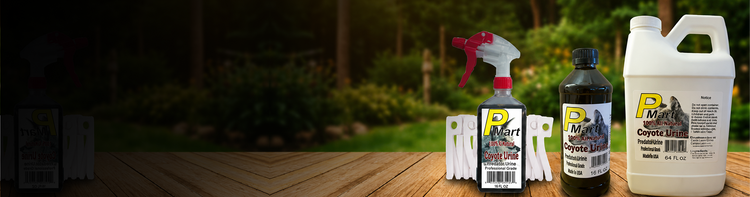
Prevent Skunks from Digging Up Your Lawn Naturally
Prevent Skunks from Digging Up Your Lawn Naturally
If you are waking up to rolled turf, cone-shaped holes, and torn patches of grass, skunks are definitely visiting your yard overnight. These animals aren’t trying to destroy your lawn, but they are hunting for grubs and insects under the soil.
Still, that doesn’t make the damage any less frustrating. If you are searching for how to stop skunks from digging up your lawn, the most effective long-term solution is to work with natural wildlife behavior.
We believe in humane and eco-friendly deterrents that protect your space without harming the environment or the animals.

Why Skunks Keep Targeting Your Well-Maintained Lawn
Skunks are opportunistic foragers with an exceptional sense of smell. A lush and well-watered lawn is often rich in grubs, beetle larvae, and earthworms. From a skunk’s perspective, your yard is a buffet.
What many homeowners forget is that skunks are creatures of habit. Once they have identified your lawn as a reliable food source, they will return night after night unless something signals danger.
That’s where natural scent deterrents become so effective. They interrupt the skunk’s sense of safety rather than masking smells or relying on harsh chemicals.
How Predator Scents Trigger a Natural Avoidance Response
In the wild, skunks constantly assess risk through scent. The presence of a predator’s urine signals territorial danger, even if the predator isn’t physically present. This instinctive response is deeply rooted and difficult for skunks to ignore.
When you apply predator urine around your lawn’s perimeter, you are creating an invisible boundary that tells skunks your property is unsafe. Unlike synthetic repellents that wear off quickly or require constant reapplication, natural predator scents align with real wildlife behavior patterns.
We have found that rotating predator scents can enhance effectiveness over time. For example, alternating between coyote urine and fox-based deterrents prevents skunks from becoming accustomed to a single scent profile.
Effective Way to Stop Skunks from Digging Up Your Lawn Using Natural Boundaries
Creating scent-based boundaries is far more beneficial than treating only the damaged areas when you are figuring out how to stop skunks from digging up your lawn.
Here’s how to approach it:
● Apply predator urine along fence lines, garden borders, and lawn edges.
● Focus on entry points such as hedges, tree lines, and gaps under fencing.
● Reapply after heavy rain or irrigation.
This method works because you are stopping the behavior at the decision stage, not reacting after damage has already occurred.
Why Well-Timed Applications Work Better Than Overuse
One mistake we often see is overapplication. More scent doesn’t equal better results. Strategic timing is far more important.
Apply deterrents in the late afternoon or early evening so the scent is fresh during peak skunk activity hours. Consistency over several weeks trains skunks to associate your lawn with persistent risk and encourages them to look for safer feeding grounds elsewhere.
If you are dealing with repeated visits, combining fox urine with a second predator scent can reinforce that message without overwhelming your lawn.
Lawn Conditions That Quietly Invite Skunks
While scent deterrents are powerful, it’s also important to remove subtle invitations that skunks respond to instinctively.
Pay attention to:
● Excessive nighttime watering.
● Overly soft soil that’s easy to dig.
● High grub populations.
Addressing these factors doesn’t require chemical treatments. You can adjust irrigation schedules and improve soil density to make your lawn less appealing and take effective steps on how to stop skunks from digging up your lawn without disrupting your ecosystem.
How Skunks Respond to Different Types of Natural Repellents
Not all natural deterrents work the same way. Understanding the difference helps you choose a solution that lasts.
|
Deterrent Type |
How It Works |
Effectiveness |
|
Predator Urine |
Signals territorial danger |
High and long-lasting |
|
Essential Oil Sprays |
Masks odors temporarily |
Short-term |
|
Motion Devices |
Startles animals |
Inconsistent |
|
Chemical Repellents |
Irritates senses |
Not eco-friendly |
Predator urine stands out because it taps directly into survival instincts rather than relying on discomfort or surprise.
Use Multiple Predator Scents Without Overcomplicating Things
Skunks encounter multiple predators in the wild, which is why layering scents can be effective. You don’t need to use everything at once when figuring out how to stop skunks from digging up your lawn. A simple rotation, such as introducing bobcat urine after a few weeks, keeps the deterrent response strong and believable.
Our team at The Pee Mart recommends observing activity patterns and adjusting scent placement accordingly. This keeps your approach proactive instead of reactive.
The Environmental Advantages of Choosing Natural Skunk Deterrents
Choosing natural solutions isn’t just about appearances. It’s also about maintaining balance. Chemical repellents can disrupt beneficial insects, contaminate soil, and pose risks to pets.
Predator urine works within existing ecological systems, making it a responsible choice for homeowners who value sustainability.
When you use humane deterrents, you are protecting your lawn while respecting the role wildlife plays in the environment.
To Sum Up
Skunk damage doesn’t have to be an ongoing battle. When you understand behavior, timing, and scent communication, you gain the upper hand.
If you have been thinking about how to stop skunks from digging up your lawn, the answer lies in creating a space that feels unsafe to them but safe for everything else you care about.
We are here to help you protect your property naturally, effectively, and humanely. Explore our predator scent solutions such as skunk scent and skunk repellent and start setting clear boundaries today!
FAQs
1. Will predator urine deter other animals besides skunks?
Yes. Because it signals territorial danger, predator urine can also discourage animals like raccoons, opossums, and groundhogs from entering your yard.
2. Is predator urine effective on large lawns or open properties?
It works well on both small and large spaces when you apply it strategically along borders, entry points, and high-activity zones rather than across the entire lawn.
3. Will skunks return if I stop using deterrents?
Skunks may return over time if food sources remain and you remove deterrents. Continued or seasonal use helps reinforce long-term avoidance.
4. Does temperature affect how well predator urine works?
Yes. Extreme heat may cause scents to fade away faster, while cooler temperatures often help scents last longer. You can adjust reapplication frequency to ensure consistent results.
5. Can I use predator urine alongside lawn treatments or fertilizers?
Yes. Predator urine does not interfere with fertilizers, soil treatments, or natural lawn care practices when applied to perimeter areas.


