

How to Get Rid of Chipmunks Permanently and Naturally
How to Get Rid of Chipmunks Permanently and Naturally
Seeing a small, striped rodent dart across your yard might seem harmless at first, but the truth is that chipmunks are persistent burrowers that can wreak havoc on your garden, flower beds, and even your home’s foundation.
If you want to get rid of chipmunks permanently, you need more than temporary sprays or traps. You need a strategy that targets their natural instincts.
We focus on biological solutions that work with the chipmunk’s survival instincts rather than against them, giving you a humane, lasting solution.
What Drives Chipmunks to Settle in Your Yard
Chipmunks are creatures of habit. Once they establish a burrow under a deck, concrete steps, or a retaining wall, they consider it a permanent home.
Most people make the mistake of trying loud noises, peppermint sprays, or scare tactics, but chipmunks are surprisingly resilient to anything that doesn’t pose a real threat. To actually shift their behavior, you need to use their innate fear of predators.
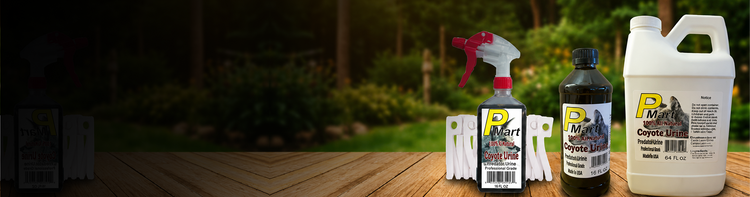
One of the most effective ways to trigger this flight response is through predator scents. Foxes are one of their natural predators, and applying fox urine trigger spray along burrow entrances and potential pathways sends a clear biological message: this area is dangerous.
This isn’t just an unpleasant smell. It’s a warning that survival is at risk, compelling chipmunks to relocate.
Advanced Tactics to Get Rid of Chipmunks Permanently
A single deterrent isn’t enough. Chipmunks use pheromones to mark trails and food sources, so even if you remove the animals, newcomers may move into the same area.
Addressing both their scent map and the physical environment ensures a long-term solution.
|
Feature |
Impact on Chipmunks |
Recommended Application |
|
Predator Scent (Fox/Coyote) |
Triggers instinctive flight |
Apply to burrow entrances, foundations, and borders |
|
Physical Barriers (Gravel/Mesh) |
Prevents digging and tunneling |
Use around decks, patios, and foundations |
|
Moisture Control |
Reduces soft soil for burrows |
Ensure proper drainage away from the house |
|
Habitat Modification |
Removes protective cover for hiding |
Keep grass short, woodpiles away, and remove dense mulch |
Shifting the Incentive Structure of Your Landscaping
To really get rid of chipmunks permanently, you need to view your yard from a prey-driven perspective.
Chipmunks constantly look for cover while foraging, so thick ground cover, dense mulch, or woodpiles near your home act as “security blankets.” By thinning these areas and placing fox urine granules in mulch beds and garden borders, you create a constant predator presence.
● Granules release scent slowly and withstand rain better than liquid sprays.
● Place near high-activity zones like flower beds or bird feeders.
● Combine with open spaces to increase chipmunk anxiety and reduce foraging.
Once chipmunks perceive your yard as risky, they naturally move on.
Protecting Against Subterranean Tunneling

Chipmunks dig complex burrow systems that can extend up to 30 feet, with several chambers for nesting and food storage. These tunnels are the cause of garden damage, sinking porches, or cracked sidewalks.
● L-Foot Mesh Installation: For new decks or sheds, bury galvanized mesh 12 inches into the ground and bend outward in an “L” shape to prevent digging directly under structures.
● Foundation Perimeter Treatment: Apply predator scent specifically at the corner joints of your foundation because chipmunks target these weak points.
● Bird Feeder Management: Use seed trays and squirrel-proof poles to prevent spilled seeds from attracting them.
By combining physical barriers with predator scents, you create a multi-layered defense. A chipmunk encountering both a strong scent and an obstacle will quickly abandon the area.
Maintaining the Predator Scent Through Seasonal Changes
Wildlife management is not a one-time task. Spring and fall are critical:
● Spring: Chipmunks search for nesting sites.
● Fall: They cache food for winter, increasing activity.
Refreshing predator scents during these periods ensures the area remains perceived as dangerous. Consistency allows chipmunks to permanently map your yard as a high-risk environment, which is the ultimate goal to get rid of chipmunks permanently.
Using Multi-Sensory Deterrence for the Best Results
Successful deterrence works on multiple sensory levels:
● Olfactory: Predator urine scents trigger instinctual fear.
● Tactile: Gravel, stone, and mesh make digging physically challenging.
● Visual: Open lawns and reduced cover remove perceived hiding spots.
● Auditory: Motion-activated lights or sprinklers can add occasional stimuli.
This multi-sensory approach reinforces the message that your yard is unsafe, drastically reducing chipmunk activity.
What It All Means
To get rid of chipmunks permanently, you need to have an understanding of their perception of risk and reward.
By removing food sources, eliminating protective cover, and increasing perceived predation through predator scents, you are working with nature instead of going against it. Chipmunks are clever and adaptive, but their survival instincts are predictable.
At The Pee Mart, we provide the solutions that use these instincts to your advantage. Products like predator urine sprays and granules are humane, safe, and highly effective when applied correctly.
Don’t just chase the problem. Instead, create a yard that chipmunks instinctively avoid.
Are you tired of chipmunks undermining your hard work? Explore our professional-grade predator scents like fox urine today and take the first step toward a chipmunk-free property.
FAQs
1. Are natural deterrents like peppermint oil effective long-term?
Peppermint and other mild repellents may work temporarily, but chipmunks can quickly habituate.
2. Can I use traps safely to remove chipmunks?
Live traps are humane but require careful monitoring and relocation according to local laws. Combining traps with predator scents increases effectiveness by discouraging return visits.
3. How do I know if I have a chipmunk infestation or just one visitor?
Signs include multiple burrow holes, soil mounds, nibbled plants, and repeated sightings. Multiple burrows usually indicate a resident colony rather than a single transient chipmunk.
4. Will planting certain flowers or shrubs deter chipmunks naturally?
Some plants, like daffodils or alliums, are less appealing to chipmunks. However, these alone rarely solve the problem.
5. Can chipmunks climb trees or structures to reach food?
Yes, chipmunks are agile climbers. Protecting bird feeders with baffles and removing low-hanging branches near gardens can reduce access.


