

10 Fun Facts About Skunks You Probably Didn’t Know
10 Fun Facts About Skunks You Probably Didn’t Know
When most people think of skunks, they think of one thing: the smell. But there is much more happening beneath the surface. If you want to manage wildlife around your home, understanding fun facts about skunks can completely change how you approach the problem.
At The Pee Mart, we focus on the biology and instincts that drive animal behavior. Skunks are not random visitors. They are calculated survivors, constantly reading their environment through scent.
Once you know how they think, you can control how they respond to your property.
Exploring Fun Facts About Skunks That Reveal How They Really Behave

Below are 10 lesser-known facts that go beyond the basics and give you real insight into how skunks operate and how you can manage them effectively.
1. Skunks Treat Spraying as a Last Resort, Not a First Reaction
Despite their reputation, skunks do not want to spray unless absolutely necessary.
● Producing spray is energy-intensive.
● It takes up to two weeks to fully replenish.
● They prefer to avoid confrontation entirely.
This means if a skunk sprays, it likely feels trapped or threatened. Preventing that situation is important.
2. Their Warning System is More Advanced Than Most People Realize
Before spraying, skunks go through a clear sequence of warnings.
● Foot stomping.
● Tail raising and puffing.
● Turning their back toward the threat.
● Short bluff charges.
If you recognize these signals early, you can avoid a direct spray. This is one of the most practical fun facts about skunks that helps you prevent problems in real time.
3. Skunks Have Poor Eyesight But Extremely Sharp Scent Detection
Skunks cannot see clearly more than a short distance, which makes them easy to startle.
However:
● Their sense of smell is highly developed.
● They rely on scent to assess danger.
● They react faster to smell than to sight.
This is why scent-based deterrents work so well. When a skunk detects a predator scent, it reacts immediately without needing visual confirmation.
4. They are Highly Accurate When They Spray
A skunk’s spray is not random. It is precise and controlled.
● Range of up to 10 to 15 feet.
● Can release a stream or mist.
● Aims directly at the eyes of the threat.
This accuracy is part of their survival system. It allows them to escape quickly without physical confrontation.
5. Their Diet Makes Them Accidental Lawn “Cleaners”
Skunks feed heavily on insects that damage your yard.
● Grubs.
● Beetle larvae.
● Small pests.
While their digging can be frustrating, they are actually removing harmful insects. However, the risk of spraying usually outweighs this benefit for most homeowners.
6. Skunks Understand Predator Hierarchy Better Than You Think
Skunks are constantly aware of where they sit in the food chain.
● They avoid areas marked by larger predators.
● They change routes based on scent signals.
● They relocate quickly if danger is detected.
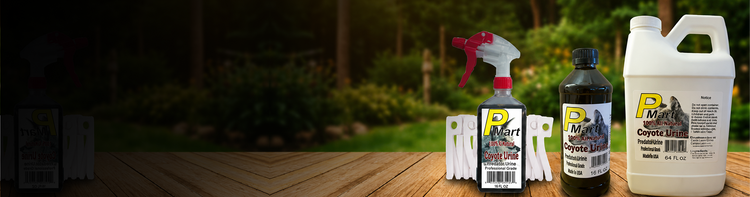
This is why applying predator scents like coyote urine can shift their behavior instantly. You are not just deterring them. You are speaking their biological language.
7. Winter Behavior Changes Their Social Structure
Skunks are usually solitary, but winter changes that.
● Females may share dens for warmth.
● Males remain more independent.
● Activity levels decrease but do not stop completely.
This seasonal behavior can lead to multiple skunks occupying a single space on your property if it feels safe.
8. Their Biggest Weakness is Not What You Expect
One of the most surprising fun facts about skunks is that their defense does not work on every predator.
● Birds of prey, especially owls, are not affected by their spray.
● Skunks rely heavily on ground-based defense.
● They avoid areas where they feel exposed.
This means open, well-managed spaces with predator scent signals can discourage them from settling in.
9. They Use Scent for Communication Other than Defense
Skunks do not only spray for protection. They also use scent for communication.
● Marking territory.
● Signaling reproductive status.
● Identifying safe zones.
This means your property may already be “mapped” by a skunk’s scent markers. To change that, you need to overwrite those signals with stronger ones, such as bobcat urine, which introduces a higher-level threat.
10. They Avoid Conflict Whenever Possible
At their core, skunks are conflict-avoidant animals.
● They prefer quiet, undisturbed areas.
● They avoid high-traffic zones.
● They relocate when risk increases.
This is why consistent scent deterrence works so well. Even a competitive predator scent like pure fox urine can make your yard feel contested, encouraging skunks to move elsewhere.
Turning Knowledge Into Long-Term Control
Learning facts about skunks is not just about curiosity. It is about control. When you understand how skunks think, you stop relying on temporary fixes and start building a long-term solution.
What works consistently:
● Establishing a scent-based perimeter.
● Treating high-risk zones like decks and sheds.
● Reapplying deterrents regularly.
● Keeping your property clean and predictable.
When a skunk no longer feels safe, it will not stay.
Bottom Line
As you can see from these fun facts about skunks, these animals are far more strategic than people think. They are not aggressive by nature. They are cautious, scent-driven, and constantly evaluating risk.
At The Pee Mart, we think the best way to manage wildlife is by working with these instincts. Predator urine allows you to create a natural boundary that skunks respect instinctively. You are not forcing them out. You are only guiding them away.
Ready to send a clear biological message to the skunks on your property? Browse our selection of natural predator urines and reclaim your yard today!
FAQs
1. Can skunks carry diseases that affect pets or humans?
Yes, skunks can carry rabies and parasites like fleas or ticks. It’s important to avoid direct contact and keep pets vaccinated.
2. Can skunks live near humans without causing problems?
Skunks are adaptable and may live near your yard if there’s food and shelter. Limiting access to garbage, pet food, and denning sites can reduce conflicts.
3. Do skunks hibernate in winter?
Skunks do not truly hibernate. They enter a state of torpor during cold months, becoming less active.
4. Can skunks climb fences or trees?
While skunks are not natural climbers, they can scramble over low fences and rough surfaces.


