

How to Use Eco Friendly Pest Control to Deter Wildlife
How to Use Eco Friendly Pest Control to Deter Wildlife
If you’ve tried every chemical spray and every physical barrier under the sun, you probably realize that traditional pest management is a losing battle.
True eco-friendly pest control doesn’t just repel animals. It works with nature to communicate, redirect, and shape wildlife behavior sustainably.
At The Pee Mart, we focus on methods that respect the intelligence and instincts of wildlife while keeping your yard safe and enjoyable. By understanding how animals perceive risk, reward, and safety, you can create a backyard that naturally discourages uninvited visitors without harming them or the environment.
Harnessing the Power of Soil and Microbial Ecology
Most homeowners overlook a surprising ally in wildlife deterrence: your soil. The microbiome of your garden, which is the network of bacteria, fungi, and other microorganisms, plays a critical role in how attractive your yard is to pests.
For example, certain fungi, like mycorrhizal species, strengthen plant roots and reduce plant stress, making them less appealing to herbivores. Additionally, a rich microbial ecosystem can mask the scents of food sources that would otherwise draw wildlife.
In practice, amending your soil with natural compost and microbial inoculants not only boosts plant health but also contributes subtly to sustainable pest control. Healthy plants naturally produce defensive compounds that deter insects and mammals alike, turning your garden into a self-regulating ecosystem.
Implementing Behavioral Economics in Your Yard

Every wild animal operates on a simple principle: increase reward while lowering risk. Knowing this can give you a great advantage in eco-friendly pest control.
If a deer, raccoon, or rabbit can get easy food without perceiving danger, it will keep coming back. Your job is to gradually change the “cost-benefit” equation.
● Deny easy calories: Keep compost bins secured, cover pet food, and pick up fallen fruit promptly.
● Introduce mild risk cues: Strategic placement of motion-activated sprinklers or reflective items simulates the presence of predators without harming wildlife.
● Redirect pathways: Place sacrificial plants or shrubs away from your main garden beds to encourage wildlife to forage elsewhere.
This method doesn’t rely on chemicals or traps. It uses decision-making patterns to deter wildlife sustainably.
Encouraging Natural Allies for a Balanced Yard
Sustainable wildlife deterrence isn’t just about repelling pests. It’s about encouraging the right players in your ecosystem. Birds, helpful insects, and even small mammals can serve as natural regulators.
For instance, insectivorous birds reduce caterpillar populations, while predatory insects help manage garden pests.
You can create “safe zones” for these allies using eco-friendly practices: birdhouses, native flowering plants, and hedgehog shelters. This type of eco-friendly pest control is proactive and dynamic because it uses natural relationships rather than forcing wildlife out of the area.
Using Predator Scent Strategically
Even in an advanced eco-friendly approach, predator scent remains one of the most effective deterrents. But rather than using it haphazardly, consider tactical placement:
● Place scent dispensers at points of entry and along animal travel routes.
● Use high-potency options like mountain lion urine near forest edges to deter larger intruders.
● Rotate scents to prevent habituation, keeping wildlife alert and cautious.
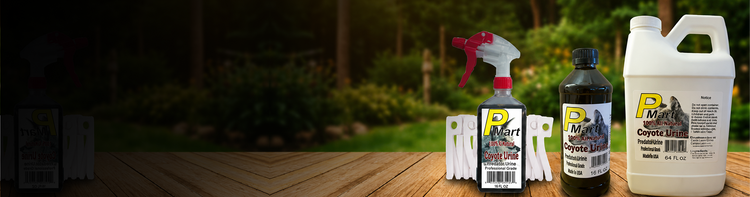
Predator urine doesn’t just repel. It communicates. It tells a raccoon or rabbit that your yard is already “claimed territory,” creating a sustainable, non-lethal barrier.
Pairing this with other eco-friendly strategies amplifies its effectiveness without introducing chemicals.
Applying Technology for Eco-Friendly Pest Control
Modern homeowners can combine natural methods with tech to make pest deterrence smarter and more efficient. Consider:
● Motion-activated sprinklers that simulate predator movement.
● Solar-powered ultrasonic devices with randomized patterns to prevent habituation.
● Remote monitoring cameras to understand wildlife patterns before taking action.
These tools complement eco-friendly strategies because they reduce direct intervention while still influencing animal behavior. You’re essentially letting nature do the work while maintaining control of your property.
Designing Your Yard as an Eco-Friendly Fortress
Landscape design itself can be a powerful tool for sustainable wildlife management. Think of your yard in three dimensions:
● Layered plantings to block visual access to food sources.
● Strategic elevation and barriers to prevent easy climbing paths for squirrels or raccoons.
● Micro-habitats that support beneficial creatures while discouraging pests.
This approach turns your yard into a living, self-regulating ecosystem. Wildlife encounters become less frequent, not because of force, but because your yard communicates that it’s not worth the risk or effort.
Managing Energy Costs for Wildlife
Animals always consider “calorie budgets" because they want the most reward for minimal effort. You can exploit this principle to maintain eco-friendly pest control:
● Introduce risk cues along primary foraging paths.
● Make easy food sources scarce.
● Maintain consistent predator signals.
Over time, the animals will conclude your yard is an inefficient place to forage and move on naturally. This method creates long-term control without harm.
Comparison Table of Eco-Friendly vs Chemical Methods
|
Feature |
Chemical Pesticides |
Eco-Friendly Pest Control |
|
Primary Action |
Toxic disruption |
Behavioral and ecological influence |
|
Safety for Pets/Children |
Low |
High |
|
Ecosystem Impact |
High, can harm beneficial species |
Low, preserves natural balance |
|
Long-Term Effectiveness |
Decreases over time due to resistance |
Increases as wildlife learns and adapts |
|
Maintenance Effort |
Frequent re-application |
Strategic placement and monitoring |
Last Thoughts
Your backyard doesn’t have to be a battlefield. By integrating soil health, behavioral strategies, natural allies, predator scent, and technology, you can achieve eco-friendly pest control that is effective, sustainable, and safe for your family.
The modern approach isn’t about eliminating wildlife, but it’s about respecting instincts, redirecting behavior, and working with nature.
Are you ready to create a backyard that deters wildlife naturally while maintaining harmony with your environment? Explore our full range of predator scents and repellents at The Pee Mart today and start building your biological defense system!
Eco Friendly Pest Control FAQs
1. Can natural pest control methods work during extreme weather conditions?
Yes, but you may need to adjust your approach. Heavy rain, snow, or intense heat can reduce the longevity of natural deterrents like predator scents.
2. Is eco-friendly pest treatment effective in urban or suburban environments?
Absolutely. In fact, it often works better because wildlife in these areas rely heavily on perceived safety.
3. Can I combine predator scent with other eco-friendly methods?
Yes. Combining scent with habitat management, natural allies, and technological deterrents creates a multi-layered defense that is more effective than any single method.
4. How do I know if wildlife is becoming resistant to eco-friendly deterrents?
Unlike chemical repellents, animals don’t build resistance to biological signals like predator scents. However, inconsistent application can make the deterrent less effective, so maintaining a steady presence is key.


