

How to Know if Coyote Pee for Raccoons Is Working? Clear Signs to Watch
How to Know if Coyote Pee for Raccoons Is Working? Clear Signs to Watch
You’ve been dealing with raccoons rummaging through trash bins, digging up gardens, or leaving messes near your home. You decided to try a natural, humane deterrent like coyote pee for raccoons because you want something that works with nature instead of against it. But how do you tell if it is actually working or if the raccoons are ignoring it? Let’s walk through clear, real-world signs that show whether the predator-scent strategy is paying off for you.
How to Tell if Coyote Pee for Raccoons Is Working?
If you want to confirm whether raccoon repellent is effective or not, you can notice avoided areas, no mess on your property, and less leaf damage.

Raccoons Change Their Path Patterns
When coyote pee is effective, raccoons start using different routes to avoid the treated zones. You will notice them entering and exiting your property from new directions. Even small changes indicate the scent is influencing their choices. It shows they sense a predator nearby and are actively avoiding the area.
Less Frequent Visits at Night
Raccoons are mostly nocturnal. If the frequency of nighttime visits drops significantly after application, it’s a clear sign the scent works. You might still see occasional tracks, but fewer digging sessions or overturned trash bins mean the raccoons are reluctant to linger near the treated areas.
Raccoon Tracks Avoid Key Spots
A unique sign is when tracks appear only at the perimeter of treated areas and not inside them. Raccoons may test the edge of the scent boundary, but do not cross through the core zone where the predator urine scent is strongest. Over time, you’ll see them gradually avoid the areas entirely, confirming that the deterrent is creating a sense of risk for them.
Fresh Scat Appears Farther Away
Displaced raccoons will relocate their toileting areas. If you notice fresh scat appearing at greater distances from garbage bins, patios, or garden beds, this means the scent is effective. The raccoons are moving away from the treated area rather than continuing to mark territory near your property.
You Notice Nervous or Hesitant Behavior
Raccoons that show up near treated zones may act jittery, stop to sniff repeatedly, or retreat suddenly. This behavior indicates they are detecting and reacting to coyote pee for raccoons. Even short visits where they pause constantly or avoid certain spots confirm that the predator scent is influencing their choices.
Drop in Damage to Specific Areas
Look at what the raccoons used to damage. A visible reduction in overturned bins, torn garden beds, or disturbed compost is a practical sign. Combining observation with repeated applications ensures consistent results.
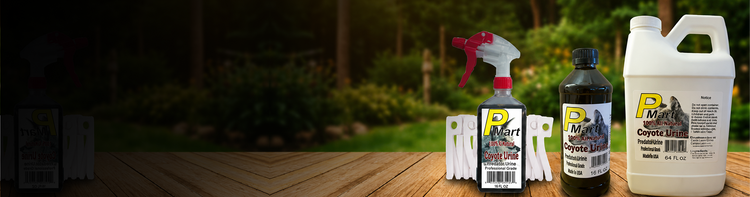
If you want high-quality predator urine that helps homeowners shift raccoon behavior, you can visit The Pee Mart to buy our predator urine products. We take pride in providing 100% real coyote pee products that are designed to offer you reliable, humane results.
No Repeat Digging in the Same Spot
Raccoons usually return to productive digging areas night after night. If holes stop reappearing in the same garden patches or lawn sections, that signals the area no longer feels worth the risk. They abandon familiar foraging spots instead of testing them again, which reflects learned avoidance rather than coincidence.
What Else Can You Do to Stop Raccoons
Install Wildlife-Friendly Barriers
Set up reflective markers, old CDs, or light ribbons near problem areas. Raccoons are cautious of strange, moving reflections, and this can make areas feel unfamiliar and less safe.
Strategic Noise Patterns
Instead of constant noise, use irregular audio triggers like a wind chime combined with motion-activated sound devices. The unpredictability keeps raccoons alert and less comfortable repeating visits.
Encourage Natural Predators
Attracting native predators such as owls with nesting boxes can indirectly discourage raccoons. The presence of real predators makes your space less appealing without harming wildlife.
Manage Soil Food Sources
Raccoons dig because they are looking for grubs and insects. Using beneficial nematodes to reduce grub populations in your lawn lowers the chances of raccoons digging and searching for food.
Remove Shelter Options
Close off access under decks, sheds, and crawl spaces with breathable lattice or hardware cloth. Raccoons seek shelter as much as food. Reducing hiding places makes your property less attractive.
Frequently Asked Questions
1. How often should I reapply coyote pee for raccoons?
Reapply every week or after heavy rain to keep the scent strong. Regular monitoring ensures it continues to influence raccoon behavior.
2. Are coyote urine products safe around pets and kids?
Yes, it is natural and generally safe. Avoid direct contact, and keep children and pets away from freshly treated areas until the scent settles.
3. Can I use coyote pee for raccoons in all weather conditions?
Yes, but heavy rain or strong winds can reduce its effectiveness. Apply on dry days and reapply after rain to maintain a strong scent barrier.
4. Will the scent attract actual coyotes to my yard?
In areas with existing coyotes, curiosity may occur. Monitor wildlife activity carefully and apply the product responsibly.
The End Note
Using coyote pee for raccoons is a practical, humane way to reduce raccoon activity on your property. You will notice changes in movement patterns, fewer nighttime visits, and reduced damage in treated areas.
Consistent monitoring and thoughtful application can give you peace of mind that your property remains safe from raccoons and other problematic critters. Visit The Pee Mart today to get 100% real urine products.


