

Beaver Repellent: Natural Methods to Protect Your Property
Beaver Repellent: Natural Methods to Protect Your Property
Have you noticed trees disappearing near your pond or your garden looking more like a beaver buffet? If that’s true, it might be time for you to think about a beaver repellent.
Protecting your property doesn’t mean harming wildlife. You can keep beavers away naturally, safely, and effectively. In this guide, we will show you some practical ways that you can use to safeguard your land and respect these clever creatures at the same time.
What Beavers Love to Eat and How It Affects Your Property
Before you try any strategy, you must know your “opponent” first. Beavers are herbivores, and they have clear preferences. They love leaf-shedding trees such as willow, poplar, aspen, and birch. But don’t be fooled! They will chew almost any tree in their way if food is very limited.
Here’s a tip many homesteaders miss. Corn and soy crops are huge attractants for beavers. So if you have these crops near water, beavers may think of your property as a free source of food.
It’s helpful to know what they prefer because this allows you to plan your property layout and protect your valuable trees, garden, or yard.
3 Natural Methods You Can Use to Repel Beaver

Create a Buffer Zone to Divert Beavers
One of the most effective ways you can use a beaver repellent naturally is by creating a buffer zone around your property. The method is to plant “sacrificial” trees near the water to keep beavers busy while protecting the trees and plants that matter most to you.
Here’s a practical way that we have listed down to set up your buffer zone:
|
Zone |
What to Plant |
Why It Helps You |
|
Water’s edge |
Fast-growing willow and poplar. |
These are sacrificial trees to feed beavers. |
|
Middle buffer |
Aspen and birch. |
They protect your more valuable areas. |
|
Close to home or assets |
Conifers, ninebark, and elderberry. |
They are less tasty to discourage beaver visits. |
You guide their behavior naturally by planting species that beavers love near the water and less appealing trees closer to your home or garden. This strategy allows you to protect your property without traps or chemicals. This keeps both you and the wildlife safe.
Protect Your Property from Flooding with Flow Devices
Beavers are naturally compelled to block any sound of flowing water.
A beaver repellent can stop beavers from chewing on your trees, but it won’t stop flooding from dams. If flooding is your concern, you need flow devices like the Clemson Pond Leveler or Beaver Deceiver.
These devices aren’t complicated engineering projects. In fact, they are designed to let beavers think that their dam is working, even though a hidden pipe is quietly lowering the water level.
This means you can protect your property from flooding without disturbing the beavers. It is a harmless solution that works efficiently.
Use Predator Urine to Keep Beavers Away
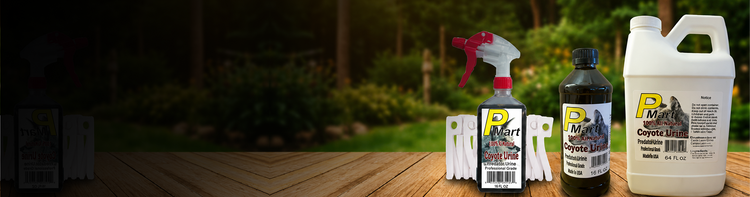
Predator urine is the best and easiest way to stop beavers from entering your property. Beavers avoid areas that smell like predators because it makes them feel unsafe. Products like bobcat urine or wolf urine can help you set boundaries around your property.

Here’s how you can use them effectively:
● Sprinkle urine granules or spray around your garden, trees, or property perimeter.
● Reapply after heavy rain or watering because scents fade quickly in wet conditions.
● Combine predator urine with your buffer zone to get the most effectiveness.
Using these scents sends a clear message to beavers: “This area is risky, move along!” And with The Pee Mart’s reliable wildlife deterrent scents, you protect your property without putting the beavers at risk.

Other Natural Repellents to Strengthen Your Defense Line
Along with predator urine, there are a few other natural options you can use to protect your property:
● You can apply hot pepper sprays to tree trunks or garden plants to make them less appealing.
● You can create bark or mesh barriers by wrapping tree bases with hardware cloth to prevent gnawing.
● You can use motion-activated sprinklers, as they startle beavers, especially near smaller ponds or gardens.
You create a strong, layered defense system when you use these strategies. The beavers stay away, your trees are safe, and you don’t harm any wildlife in the process.
Keep an Eye on Your Property to Maintain Long-Term Protection
Even when you use a beaver repellent strategy, you need to monitor regularly.
● Check your property weekly for signs of gnawing, new dams, or fresh lodges.
● Replace or rotate sacrificial trees.
● Refill urine granules.
● Inspect flow devices to make sure everything is working.
Conclusion
Working around beavers doesn’t have to drain your time or patience. With natural methods like buffer zones, flow devices, and predator urine, you can protect your trees, crops, and property without harming these resourceful animals.
Explore our range of eco-friendly repellents today and build your natural beaver repellent system. Protect your property and preserve wildlife now!
FAQs About Beaver Repellent
1. Can beavers be permanently kept away with natural repellents?
If you want to permanently control beavers, you need to have ongoing management. Use buffer zones, flow devices, and predator urine together to get the most effective long-term solution.
2. How often should I apply predator urine?
You can apply every 2 to 3 weeks or after heavy rain to maintain a strong scent that keeps beavers away.
3. Do I need special skills to install flow devices?
Not at all. Devices like the Clemson Pond Leveler are designed for homeowners and are easy to install to prevent flooding.
4. Can I plant any tree near water without attracting beavers?
Beavers will eat many trees that are no longer growing. You can use a buffer zone with sacrificial trees near the water and less attractive species closer to your home.
5. Are natural repellents safe for pets and children?
Yes. Predator urine, bark barriers, and hot pepper sprays are safe when you use them properly. They repel beavers without harming other wildlife, pets, or humans.


